Table of Contents
When I first started lifting, I couldn’t figure out why my squats looked strong but felt weak. I could move weight, but it didn’t feel powerful. Female Fitness Hip Drive Drill for Stronger Squats. My form looked fine on the surface, yet I always got stuck halfway up. The truth was, my hip drive was missing.
So many women experience this same problem. You might feel like you’re pushing hard, but if your hips aren’t driving the lift, your quads and back take over. That’s what leads to slow progress, knee pain, or lower back strain.
I remember hitting a wall with my squats for almost six months. No matter how much I lifted, my numbers wouldn’t move. Once I learned how to properly engage my hips and use glute power, everything changed. I started moving smoother, stronger, and without pain.
Squats are not just a leg exercise. They’re a full-body movement that begins and ends with the hips. When you drive through your hips instead of just your knees, you create a more efficient and explosive lift.
What Hip Drive Really Means for Female Lifters
Hip drive is the controlled power your hips create as you rise from the bottom of a squat. It’s what transfers force from your glutes and hamstrings through your core and into the barbell. Without it, you’re just standing up with your legs.
I used to think squats were all about lowering and standing up. But when I started paying attention to my hips, my entire body started to move as one. I felt stronger from the bottom of the lift, and I could finally explode upward with power.
For women especially, mastering hip drive is essential. Our hips are built differently from men’s, which means alignment, stability, and muscle activation vary. Many of us have naturally wider hips and more flexible joints, which can sometimes lead to instability if we don’t train with control.
Hip drive helps balance that out. It builds glute strength, reinforces proper posture, and creates stability through the pelvis and spine. This not only improves your squats but also reduces pain in everyday movements.
When you train your hips to lead your squats, you stop fighting against your body and start working with it.
The Science of Glute Activation and Hormonal Strength
There’s a reason why some weeks you feel like a powerhouse in the gym and others you feel sluggish. It’s not in your head; it’s your hormones.
During the follicular phase of your menstrual cycle, estrogen levels rise, improving coordination, recovery, and energy. This is the best time for strength training and learning new movements like hip drive drills.
During ovulation, testosterone peaks slightly, helping you push heavier and feel more explosive. That’s when I usually hit my personal bests.
In the luteal phase, progesterone takes over, and fatigue can set in. Instead of heavy squats, I use this time to focus on technique and form. Working with my cycle instead of against it made training more predictable and sustainable.
When I synced my training intensity with my hormones, I stopped burning out and started progressing consistently.
The secret isn’t to always train harder, it’s to train smarter. And hip drive drills are the perfect low-stress, high-impact exercise to keep you improving through every phase of your cycle.
The Hip Drive Drill That Changed My Squats
I first learned the importance of hip drive during a powerlifting workshop. The coach had me do a drill that completely reprogrammed how I moved. At first, it felt awkward, but within minutes, I understood what I had been missing.
The hip thrust to squat transition drill became a game changer for me and later, for the women I trained. It teaches your body how to fire your glutes before you even start squatting.
Here’s how it works:
- Sit on the floor with your upper back against a bench.
- Plant your feet hip-width apart and press through your heels.
- Perform 10 slow hip thrusts, pausing at the top for two seconds to really squeeze your glutes.
- Immediately stand up and do 10 bodyweight squats, mimicking the same hip motion.
- Focus on pushing the floor away as your hips move forward and upward.
I like to do three rounds of this before every lower body workout. It activates my glutes, loosens my hips, and mentally connects me to the movement.
This drill not only helped me lift heavier but also reduced my lower back strain. It’s simple, effective, and perfect for any level of experience.
Step by Step: How to Practice Hip Drive
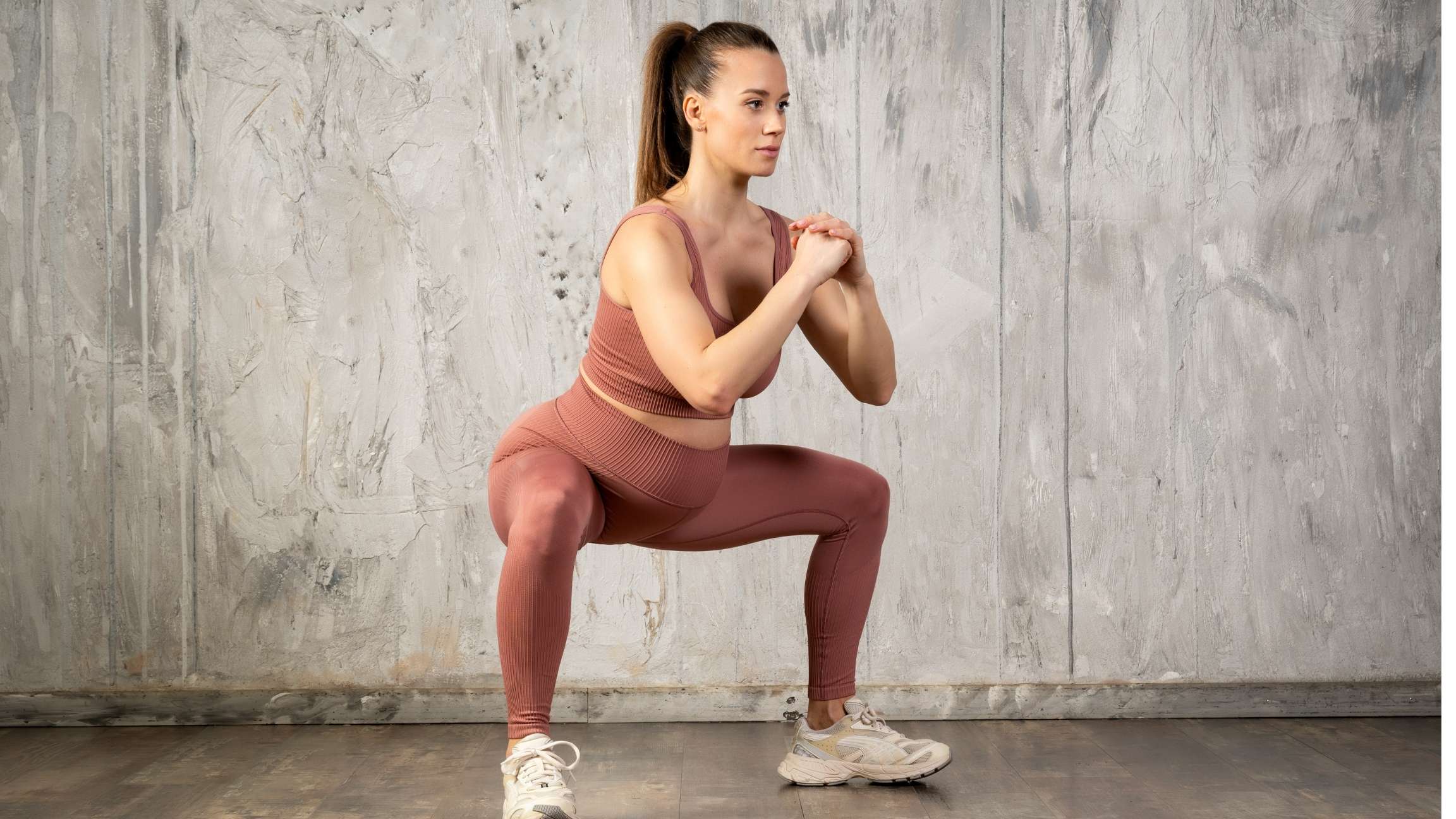
When you practice hip drive, focus on form over weight. Here’s how I cue myself and my clients through the movement :
- Set your stance. Feet slightly wider than shoulder-width, toes angled slightly out.
- Brace your core. Take a deep breath and tighten your midsection like you’re preparing to take a punch.
- Sit back, not down. Push your hips back first while keeping your chest up.
- Control the bottom. Pause slightly when your thighs are parallel to the ground. Feel the tension in your glutes.
- Drive your hips. Push through your heels and thrust your hips forward and up as you stand.
- Finish strong. Squeeze your glutes at the top, then reset for the next rep.
When you do this correctly, you’ll feel your power shift from your quads to your hips and glutes. That’s the difference between a squat that looks good and a squat that feels strong.
I recommend filming yourself to see if your hips are leading the lift or if your chest is coming up first. The hips should always move in sync with your torso.
Common Mistakes Women Make in Squats
Over the years, I’ve seen women make the same mistakes in squats that I used to make myself. Here are the most common ones and how to fix them.
1. Leading With the Chest
When your chest rises before your hips, your lower back does most of the work. Think about keeping your chest and hips moving together.
2. Knees Collapsing Inward
If your knees cave in, it usually means your glutes are underactive. Add banded squats or lateral walks to your warm-up to strengthen the outer hips.
3. Relying Only on the Quads
Your glutes and hamstrings are the real drivers of power. Make sure to focus on squeezing your glutes at the top of each rep.
4. Skipping Warm-Ups
If your hips aren’t activated before training, they won’t fire properly during squats. Spend at least five minutes doing glute bridges, hip thrusts, or the hip drive drill.
5. Ignoring the Core
Without core stability, your hips can’t function efficiently. Keep your abs engaged throughout every rep.
Once I started correcting these mistakes, my squats not only felt smoother but also became completely pain-free.
Supporting Exercises to Build Stronger Glutes
To develop a more powerful hip drive, I pair my squats with accessory exercises that strengthen the glutes and hamstrings.
| Exercise | Purpose | How to Perform |
| Hip Thrusts | Builds glute strength and awareness | Push through heels, hold at the top for 2 seconds |
| Romanian Deadlifts | Strengthens hamstrings and posterior chain | Keep knees soft, hinge at hips |
| Glute Bridges | Activates glutes before training | Perform 15 reps pre-squat |
| Cable Kickbacks | Isolates glutes for activation | Keep motion slow and controlled |
| Banded Lateral Walks | Improves hip stability | Maintain tension with every step |
These exercises taught my body how to engage my glutes automatically, so I no longer had to overthink my form.
How Your Menstrual Cycle Affects Squat Performance
I’ve noticed a big difference in how my squats feel depending on my cycle phase. When I learned to adjust my training intensity based on hormone changes, my results skyrocketed.
- Follicular Phase (Days 6 to 14): This is when I go heavier. Energy and recovery are at their best.
- Ovulatory Phase (Days 14 to 17): I feel confident, explosive, and ready to test my max lifts.
- Luteal Phase (Days 18 to 28): I shift to lighter weights, focus on technique, and prioritize hip drive drills.
- Menstrual Phase (Days 1 to 5): I focus on mobility, recovery, and gentle activation work.
This approach keeps me consistent all month long without burnout.
FAQs
How can women fix weak hip drive in squats?
Start with activation drills like hip thrusts, bridges, and the hip drive drill. Focus on driving the hips upward, not just standing up.
Why do my squats feel weaker before my period?
Hormonal shifts during the luteal phase can cause fatigue and water retention. Use this time for form-focused sessions rather than max lifting.
How do I stop my knees from caving in?
Strengthen your outer glutes with banded movements. Also, keep your knees aligned with your toes during each squat.
Is it okay to squat during my period?
Yes, but lower the intensity if your energy is low. Focus on technique, mobility, and lighter weights.
Final Thoughts
Learning hip drive transformed my training. I went from feeling stuck in my squats to feeling powerful and stable. Once I understood how to connect my hips, glutes, and core, everything clicked.
For women, hip strength is more than a gym goal, it’s a foundation for daily movement, posture, and balance. The female fitness hip drive drill for stronger squats isn’t just a workout trick. It’s a way to move with confidence and power through every phase of your cycle.
When you train your hips to lead, your entire body follows. That’s when you stop lifting just for numbers and start lifting for real strength.