Table of Contents
You know that moment when you walk up to a barbell, your heart beats a little faster, and you can almost hear your inner voice whisper, “Don’t mess this up”? I’ve been there more times than I can count. In my early training days, I thought good form only mattered once the bar left the rack. But over time, through trial, error, and years of coaching other women, I learned that your barbell setup determines everything that happens next.
Your setup is your foundation. It’s what separates a smooth, powerful lift from one that feels awkward, shaky, or even dangerous. It’s what makes strength training sustainable and confidence building instead of painful and frustrating.
When I started refining my own approach to barbell setup, I realized something that changed the way I coached forever: it’s not about the weight on the bar; it’s about how you position yourself to handle it. Once I learned how to dial in my setup, every lift felt more controlled, my form improved, and my progress finally became consistent.
Why Barbell Setup Matters More Than You Think
I used to think setup was just a minor detail. I would walk up to the bar, adjust my grip a little, take a deep breath, and start lifting. But as I began working with more women, I noticed something striking: the ones who paid attention to their setup moved more fluidly, stayed injury free, and looked far more confident.
The setup phase is where your body creates alignment. It’s where your core, spine, and muscles communicate before any movement begins. If that alignment is off, even slightly, your form will suffer. Your knees may cave in, your lower back might take on too much strain, or your shoulders could rotate out of position.
In my coaching sessions, I emphasize what I call the pre lift ritual. It’s the moment you mentally and physically prepare before touching the bar. I encourage my clients to treat setup as part of the lift, not just a precursor to it. Because the truth is, the stronger your setup, the more consistent your lifts will be.
The payoff is less fatigue, fewer injuries, and better long-term results. Your muscles fire in the right sequence, and your nervous system knows exactly what to expect. Over time, this turns into what I like to call “quiet confidence.” You no longer second guess your movements because your body remembers what right feels like.
The Foundation: Correct Barbell Height for Women
One of the first lessons I learned in strength training was that the correct barbell height makes or breaks your form. Too high, and you struggle to un-rack cleanly. Too low, and you waste energy before you even start lifting.
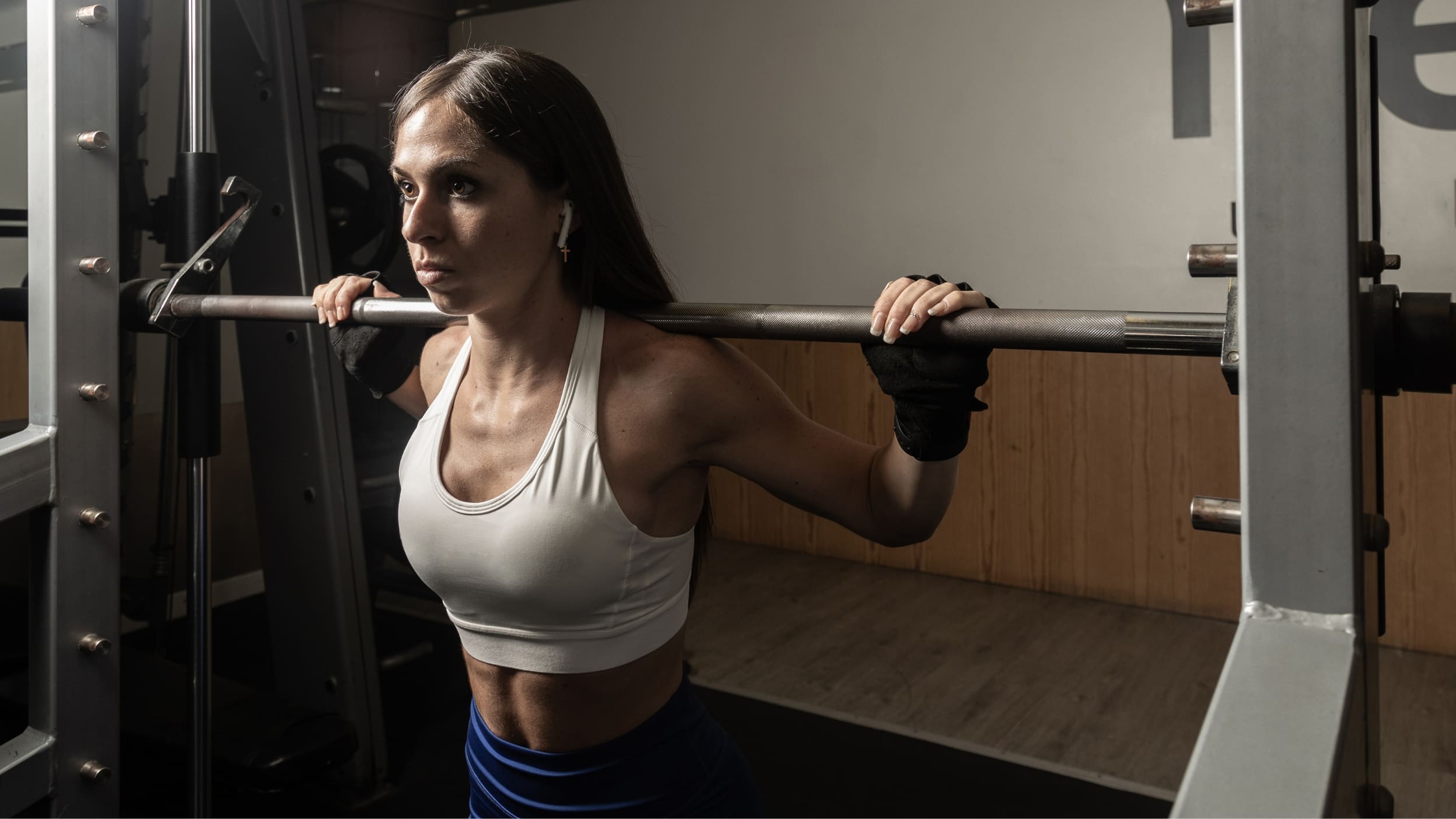
For squats, the bar should be set slightly below shoulder height. When you step under, it should rest comfortably across your upper back or traps without forcing you onto your toes. This positioning allows you to un rack smoothly, take two confident steps back, and find your stance without any wobble.
For deadlifts, the ideal bar height is mid-shin level when you’re standing tall. That height aligns your hips and shoulders for an efficient pull while minimizing lower back stress.
Many women don’t realize how much biomechanics affect setup. Because women often have longer legs relative to their torso, the angles of leverage change compared to men. Adjusting bar height accordingly helps your hips drive the movement instead of your lower back doing all the work.
A small adjustment can make a huge difference. I once coached a client who constantly complained about back pain during her deadlifts. After a quick check, I realized her bar height was an inch too high. We lowered it slightly, and within a few sessions, her pain was gone.
How to Set Up a Barbell for Female Fitness Beginners
If you’re just starting your strength journey, let me reassure you: no one gets it perfect the first time. The barbell can look intimidating, but it’s one of the most empowering tools you’ll ever use.
Here’s the step by step method I teach beginners for a female fitness barbell setup that improves form:
- Start with an empty barbell. Always learn movement patterns before adding weight. Your nervous system needs to build muscle memory.
- Center your stance. Stand with your feet under the bar, roughly hip-width apart, so it cuts directly over the middle of your feet.
- Even your grip. Use the knurling marks as visual cues to ensure your hands are symmetrical.
- Brace your core. Think about tightening your core as if preparing for a light punch, not sucking in your stomach.
- Lift with control. Move slowly and intentionally, focusing on balance and alignment rather than speed or load.
I always tell my clients, “Earn the right to add weight.” Once you can set up and lift smoothly for multiple reps without wobble or pain, then you’re ready to load up.
Mastering setup as a beginner sets the tone for everything else. It builds trust between you and the bar, teaches your body to move safely, and lays the groundwork for strength that lasts.
Barbell Positioning for Squats and Deadlifts
Squat Setup
There are two main squat positions that work well for women: high-bar and low-bar.
The high bar position rests across your upper traps, allowing a more upright torso and reducing pressure on your lower back. This is my preferred method for most women because it supports better posture and core engagement.
The low-bar position sits slightly lower on the rear delts and shifts the load more toward your hips. It can feel more stable for women with longer legs, though it requires greater shoulder mobility.
When you set up for your squat, pull your elbows slightly down and back to create a natural “shelf” for the bar to rest on. Keep your wrists straight and your chest tall. When you un-rack, take two short steps back and exhale before your first rep. That small pause grounds you and signals your body that it’s time to work.
Deadlift Setup
For the female fitness barbell deadlift setup, positioning is everything. Stand so the bar is over the midfoot and close enough that it nearly brushes your shins. Grip the bar just outside your knees and flatten your back by pulling your shoulder blades slightly together.
Before you pull, take a deep breath, tighten your lats (imagine squeezing your armpits), and push your feet into the floor. The goal is to drive through your heels, not yank the bar up.
The most common mistake I see is starting with the bar too far away from your shins. That simple misalignment forces your back to compensate, which is how most people end up sore after every session.
When I corrected my own deadlift setup years ago, the change felt almost magical. The bar moved in a straight line, my back stayed neutral, and for the first time, I could actually feel my hamstrings and glutes doing their job.
Grip Width, Balance, and Stability Tips
Grip width often goes unnoticed, yet it can drastically change your control and comfort during lifts. Because most women have narrower shoulders, standard grip markings might not feel right. Adjust them to suit your frame rather than forcing yourself into what’s “standard.”
Here are my go to guidelines:
- For squats: Hands just outside shoulder width, with elbows angled down slightly.
- For deadlifts: Hands about an inch outside your knees, palms facing you.
- For presses: Elbows slightly in front of the bar to keep tension through the lift.
The right grip width creates a stable base from which to move powerfully. If your wrists ache or your shoulders feel unstable, your grip is probably off.
Balance, too, begins at your feet. I train many women who unknowingly shift their weight toward their toes. Instead, aim to distribute your weight evenly across the entire foot. That small shift can instantly improve your stability and prevent your knees from collapsing inward.
I always tell clients to imagine “rooting” their feet into the ground. The stronger your base, the more your body can channel force upward through the lift.
Avoiding Common Barbell Setup Mistakes
Even experienced lifters fall into setup traps. Over the years, I’ve seen patterns repeat in almost every gym:
- Standing too far from the bar. This throws off your leverage and forces unnecessary strain on your back.
- Skipping the mental setup. Rushing to lift without visualizing form almost always leads to inconsistency.
- Unstable footwear. Soft running shoes absorb force. Choose flat, firm shoes or go barefoot for better connection to the floor.
- Ignoring warm-ups. Your muscles and joints need a few lighter sets to “wake up” before heavier work.
These might sound like small details, but they have a big impact on performance and injury prevention. Every mistake you fix in your setup pays dividends in strength and longevity.
Mini Case Study: Fixing My Own Form
I’ll be honest. For a long time, I thought my deadlift form was fine. I was strong, my numbers were climbing, and nothing hurt. But one day, a training partner filmed me mid-lift, and I saw what I’d been missing: my bar path was drifting slightly forward. That tiny deviation meant I was putting unnecessary strain on my lower back.
I spent the next few weeks studying my setup, making small adjustments, and being patient. I shifted the bar closer to my shins, aligned my shoulders directly over it, and practiced engaging my lats before every pull.
The result? Within two months, I added 25 pounds to my deadlift without changing anything else in my program. My lower back felt stronger, and my recovery improved.
That experience reminded me that setup is the quiet foundation of strength. You don’t always notice its importance until you fix it, and then you can’t imagine lifting without it.
FAQs
1. How should a barbell be set up for female fitness beginners to improve form?
Start light, focus on control, and prioritize alignment over load. For squats, the bar should rest slightly below shoulder height. For deadlifts, position the bar around mid-shin level. Keep your core tight and your stance centered before you lift.
2. What barbell setup helps women avoid lower back pain?
Ensure the bar stays close to your body during lifts. Engage your lats, keep your spine neutral, and adjust bar height to suit your frame. Avoid hyperextending at the top of the lift and always brace before moving.
3. What is the best barbell setup for women with smaller frames?
A lighter 35-pound women’s barbell works best. It has a thinner diameter and shorter length, making it easier to control and maintain proper form. Pair that with correct bar height and balanced stance for maximum comfort and safety.
Final Thoughts
Every great lift begins long before the first rep. Your female fitness barbell setup is more than a routine, it’s a discipline. Those few seconds of intention before each lift set the tone for everything else: your safety, your progress, and your mindset.
When you learn to treat setup as part of the process rather than a chore, your training transforms. You stop chasing numbers and start mastering movement. That shift doesn’t just make you stronger in the gym; it builds self-trust in everyday life.
I’ve seen women go from timid first-timers to confident lifters simply because they learned to own their setup. And truthfully, that’s what fitness is all about: self-awareness, growth, and patience.
So the next time you step up to a barbell, pause for a moment. Plant your feet, grip with purpose, and breathe deeply. Tell yourself, “I’m in control.” Because you are, and that belief, more than any program or number, is what truly improves form and strength over time.