Table of Contents
When I first started strength training, Female Fitness Guide I thought perfect form was about how a movement looked. Straight back, knees aligned, core tight it all seemed simple. But after a shoulder injury from pushing too hard too soon, I realised form isn’t about appearances. It’s about longevity and safety.
Good lifting form is your insurance policy for long-term progress. Every rep you perform with control teaches your body how to move efficiently and build real strength. In my years of coaching women, I’ve seen this one principle separate those who thrive from those who burn out.
When you move with proper alignment, your body learns to work with you instead of against you. Correct form activates the right muscles, protects your joints, and builds resilience. For women especially, it’s about more than performance it’s about balance, posture, and confidence.
That’s what female fitness should focus on: sustainable strength, not just calorie burn.
The Most Common Form Mistakes Women Make
After coaching hundreds of women, I’ve noticed the same handful of form mistakes appear again and again. Most of them aren’t from neglect but from never learning how to feel the movement properly.
Rounded Back Deadlifts
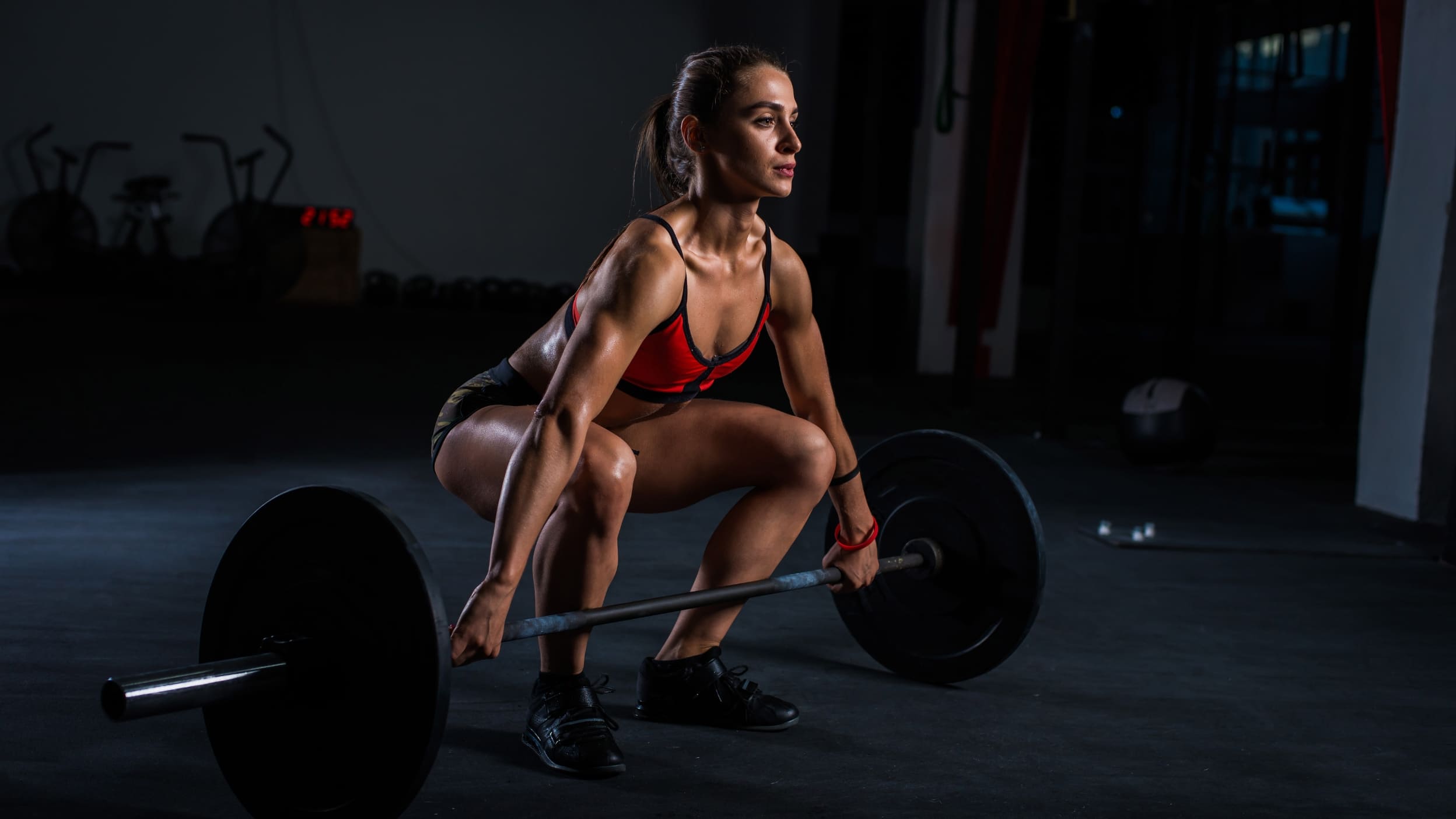
Many women bend from their spine instead of hinging at the hips. It usually happens because they fear sticking their hips back. The fix is simple: push your hips backward, keep your spine neutral, and let your shins stay vertical. Imagine closing a car door with your hips. This helps you load your glutes and hamstrings instead of straining your lower back.
Knees Collapsing in Squats
When your knees cave inward, your glutes and hip stabilisers aren’t doing their job. I often cue clients to “spread the floor apart” with their feet. This activates the glutes and instantly improves alignment, helping you feel stronger and more stable through every rep.
Arching in Overhead Presses
Leaning back during presses is a common compensation for weak core muscles. Try exhaling as you press upward. The natural brace that comes from your rib cage will stabilise your spine and protect your lower back.
Shoulder Shrugs in Rows
If your traps are doing all the work, your lats aren’t engaging. I tell clients to “put your shoulder blades in your back pockets.” It changes how your upper back muscles fire and helps relieve tension in your neck and shoulders.
Small tweaks like these completely change how strong you feel and how safely you move.
How to Fix Your Form Safely
Form isn’t something you master once and forget. It’s a skill you refine every time you train. Here’s the approach I use with every client.
Step 1: Slow Down
Most form issues happen when speed replaces control. Record your lifts and review them in slow motion. Watch for subtle shifts in your knees, hips, or shoulders. Awareness is your greatest tool for long term improvement.
Step 2: Train Barefoot or in Flat Shoes
Thick, cushioned soles reduce your connection to the ground. Training barefoot or in flat shoes improves balance and body awareness. When your feet are stable, your entire body moves with better alignment.
Step 3: Warm Up with Purpose
Dynamic warm-ups prepare both your joints and your nervous system. Exercises like hip openers, glute bridges, and thoracic twists get your body ready for movement. I always remind clients that a warm body moves smarter.
Step 4: Focus on the Mind-Muscle Connection
Instead of chasing reps, focus on how the movement feels. Notice when your core braces or your glutes activate. Quality always beats quantity. When you train with awareness, your form naturally improves.
How Hormones Affect Strength and Form
One of the most overlooked factors in female fitness is the menstrual cycle. Your hormones influence everything from coordination to energy levels. Once you understand this, you can adjust your training to match your body’s rhythm.
Follicular Phase: Strength Rising
In the days after your period, estrogen begins to rise. You’ll likely feel energetic, powerful, and motivated. This is the perfect time to learn new movements, focus on heavier lifts, and build strength.
Ovulatory Phase: Peak Power
During ovulation, both estrogen and testosterone peak. Strength and coordination reach their highest levels. This is the ideal time to test a new personal best or challenge yourself with advanced lifts.
Just be mindful of joint stability, as ligaments may feel looser. Proper warm-ups and controlled reps are key.
Luteal Phase: Slower, Steadier Work
After ovulation, progesterone rises and energy begins to taper. Your body temperature increases slightly, which can affect endurance. This is the best phase to focus on control and form rather than max effort. Lighter weights with higher focus on stability will serve you best here.
Menstrual Phase: Recovery and Mobility
During your period, it’s normal to feel lower energy or experience bloating. That’s not weakness; it’s biology. Use this time for restorative movement like yoga, stretching, or bodyweight exercises. These workouts maintain consistency without overtaxing your body.
When you train in tune with these phases, form improves naturally. You stop fighting your body and start working with it.
My Method for Coaching Female Strength
In my coaching practice, I prioritise one thing above all: awareness. You can’t fix what you don’t feel.
Every new client begins with what I call a foundation week. We reset movement patterns with simple, controlled exercises bodyweight squats, tempo lunges, planks, and core activation drills. I often ask clients to record short clips of their lifts. It’s not about appearance; it’s about education. Watching yourself move teaches you more than any mirror.
Once movement patterns look solid, we add light weights and practice breathing control. Many women underestimate the power of their breath. The diaphragm and core work together as an internal brace. When you breathe correctly, your spine and posture stay aligned naturally.
As strength builds, we progress gradually. We increase load, not speed. Each session focuses on control and awareness. In female fitness, mastery matters far more than intensity.
Lifting Cues That Actually Work for Women
Over the years, I’ve discovered certain cues that help women instantly improve their lifting form. These aren’t generic gym slogans they’re specific, body-aware phrases that help you feel what proper movement is supposed to feel like.
- “Zip up your core like tight jeans.”
Activates deep core muscles more effectively than just saying “tighten your abs.” - “Exhale as you move.”
Breath anchors your strength and stabilises your spine. - “Push the floor away from you.”
Encourages proper leg drive in squats and deadlifts. - “Squeeze, don’t swing.”
Keeps tension on the muscles instead of relying on momentum. - “Pull your ribs toward your pelvis.”
Prevents excessive arching during presses and planks.
The right cue doesn’t just change your form; it changes your awareness. When you start feeling your strength instead of forcing it, everything clicks.
How to Measure Progress Beyond the Scale
Good form progress doesn’t always show up as weight loss or muscle gain. It shows up in how you move, recover, and feel during and after training.
You know your form is improving when:
- You can control each rep without wobbling.
- You recover faster between sets.
- You feel stable under heavier loads.
- You stop worrying about “looking awkward” in the gym.
One of my clients, a 34-year-old nurse, came to me struggling with chronic knee pain. Her squat form relied on her knees rather than her hips. After three weeks of mobility work and glute activation drills, her pain disappeared. By week six, she completed a clean, pain-free 60-kilogram squat.
That’s what form focused training does. It builds confidence, eliminates pain, and makes your body feel like an ally instead of a challenge. Progress is more than numbers; it’s stability, ease, and control.
FAQs about Female Fitness Guide
How can I tell if my form is correct?
Record short clips of your lifts occasionally. Check for a neutral spine, knees aligned with toes, and steady breathing. If you feel pain or pinching, pause and adjust.
Should women lift heavy weights?
Absolutely. Lifting heavy strengthens your muscles, bones, and metabolism. Heavy is relative it means challenging your body while maintaining control.
Can bad form affect hormones?
Indirectly, yes. Overtraining with poor form raises cortisol, your primary stress hormone. Elevated cortisol disrupts recovery, sleep, and even menstrual regularity. Quality form helps balance hormones by reducing unnecessary stress on your body.
Final thoughts
If there’s one lesson I wish every woman learned about strength training, it’s that form is freedom.
Good lifting form isn’t about perfection; it’s about self-trust. Every rep you perform correctly teaches your body to move with strength and grace. When your body moves well, everything else improves your posture, confidence, and energy.
I’ve seen women transform not because they doubled their workouts or changed their diets, but because they learned to move with awareness. They discovered that strength isn’t about proving something; it’s about feeling connected to your body.
That’s what female fitness means to me. Not competition or comparison, but a personal journey back to your own power, one rep at a time.
So slow down. Breathe. Pay attention to the details. When your form feels right, everything else starts to align.