Table of Contents
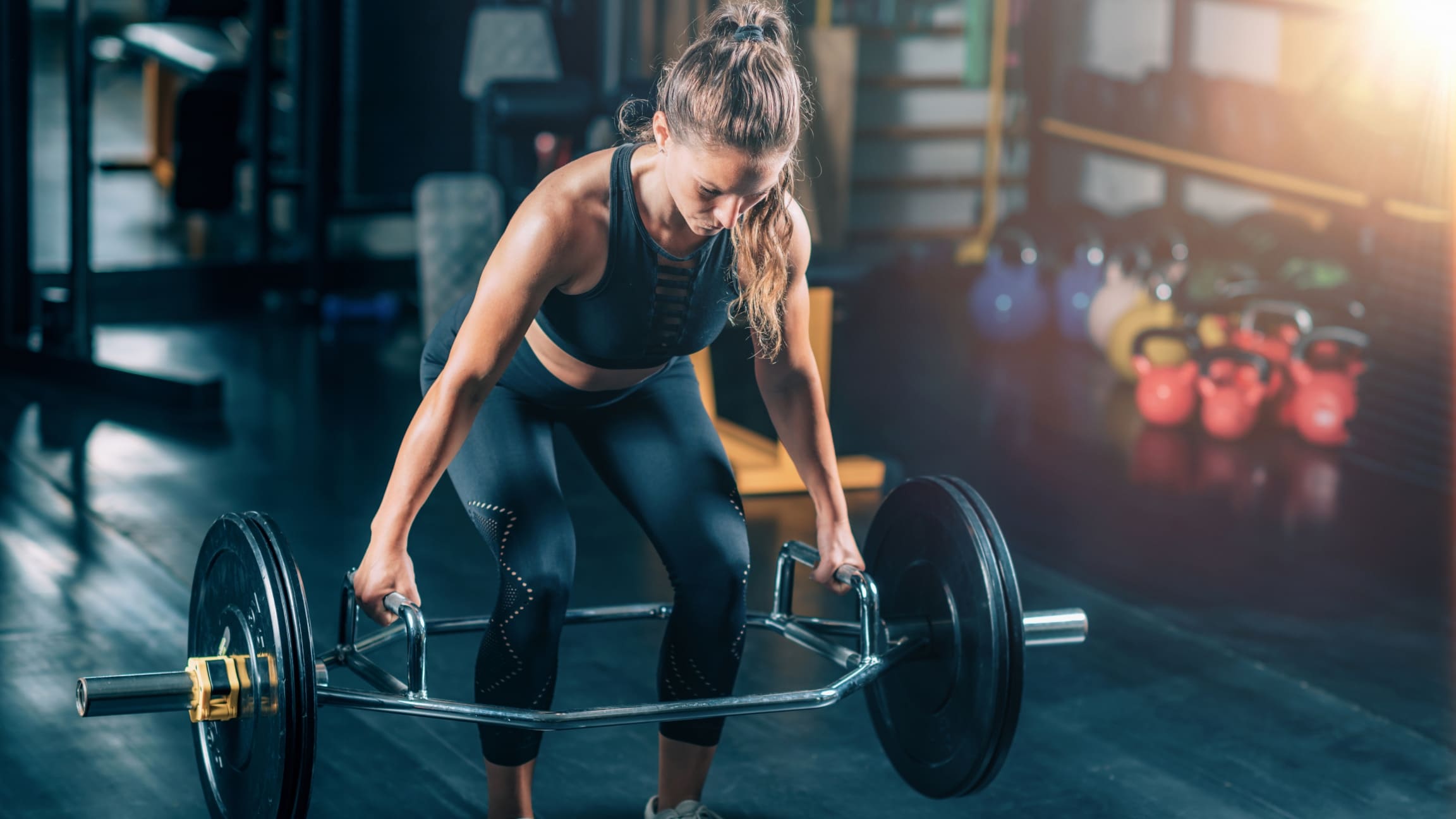
When i first started deadlifting, i thought my biggest obstacle was strength. I assumed i just needed to lift more and push harder. Female fitness bar path fix for clean deadlifts but after months of slow progress and occasional lower back soreness, i realized something else was wrong.
My form looked fine when I glanced in the mirror, but something always felt off. One day, I decided to record my lifts from the side. That video was eye-opening. The bar wasn’t traveling in a straight line. It was curving forward, almost like a swinging pendulum. That tiny drift was forcing me out of position every single rep.
The moment I saw that, I knew the problem wasn’t my strength. It was my bar path. Once I learned how to fix it, everything changed. My lifts felt smoother, more stable, and finally powerful. The best part was that my lower back pain disappeared completely.
Why the Bar Path Matters for Female Lifters
A lot of women underestimate how much bar path affects their deadlift. We focus on cues like “keep your back straight” or “drive through your heels,” but very few of us are taught to actually watch how the bar moves.
The bar path is the invisible line of power that connects your body to the ground. When the bar moves in a straight, vertical line, you’re moving efficiently. But when it drifts forward, even slightly, your leverage is gone. Suddenly, your glutes, hamstrings, and core are no longer working together. Instead, your lower back starts doing all the heavy lifting.
For women, this is especially important. We tend to have a slightly different hip structure and center of gravity than men, which can make bar control more challenging. Even a one-inch drift forward can make the weight feel twice as heavy.
When I learned to focus on keeping the bar close and tracking its path from start to finish, I realized I could lift more with less strain. My form improved dramatically, and my confidence grew with every set.
Common Mistakes Women Make During Deadlifts
Over the years, I’ve seen so many women make the same mistakes I used to make. It’s not about effort or motivation; it’s about small technical habits that throw everything off balance.
1. Starting Too Far from the Bar
I used to set up with the bar right over my toes, thinking that gave me better reach. In reality, that setup created a forward pull that made it impossible to stay balanced. The bar should be over your midfoot, not your toes. That’s your power center.
2. Hips Too Low at the Start
I once believed a deeper hip position meant better form. But starting too low actually turns the movement into a squat and pushes the bar away from the body. I learned that the hips should sit slightly higher, so the shins touch the bar when you’re ready to lift.
3. Pulling with the Arms
When I got nervous about heavy lifts, I used to pull early with my arms instead of engaging my legs and hips. That simple mistake made the bar drift away and killed my power. Now, I think of my arms as cables. They connect but don’t pull.
4. Letting the Bar Drift from the Shins
If the bar isn’t close, you’re losing leverage. It doesn’t have to scrape your skin, but it should glide along your legs from floor to hip. This single fix improved my control more than anything else.
Once I stopped making these mistakes, my lifts became consistent. I no longer fought the bar. I moved with it.
How to Fix Your Bar Path for Clean Deadlifts
Fixing your bar path is about precision, not speed. You need awareness, feedback, and a bit of patience. Here’s exactly what worked for me.
1. Nail the Setup
Start with the bar directly over your midfoot. That’s where your balance and strength align. Your shins should be about an inch away before you bend to grab the bar. When you bend your knees slightly, they should just touch the bar.
This setup keeps the bar close to your center of gravity, eliminating the forward pull that causes drift.
2. Engage Your Lats Before You Lift
I used to overlook this, and it showed. My shoulders would round forward, and the bar would instantly move away from me. Now, before I even lift, I think about pulling my shoulders down and back, like tucking them into my back pockets.
This small adjustment locks the bar into position and keeps it close through the entire movement.
3. Think About Pushing, Not Pulling
One of the best cues I ever learned was to “push the floor away” instead of “pull the bar up.” It completely changed the feel of my deadlifts. When I focused on pushing with my legs, my hips and shoulders rose together, and the bar moved straight up instead of swinging forward.
4. Use Feedback Tools
I record most of my lifts now. Watching your bar path in real time is one of the fastest ways to improve. I also use a light resistance band looped around the bar and anchored behind me during warm-ups. If the band pulls the bar forward, I know my setup needs adjustment.
5. Strengthen Supporting Muscles
Weak glutes, hamstrings, or grip can throw your bar path off. I started adding accessory lifts like hip thrusts, Romanian deadlifts, and farmer carries to build stability. Over time, they made a huge difference.
When all these habits came together, my bar path became clean and natural. I no longer had to think about it every second. It just felt right.
Strength Cues That Changed My Form Forever
Cues are personal, but a few have completely reshaped the way I lift.
- “Pull yourself into the bar.” Don’t just bend down and grab it. Create tension before you even start.
- “Keep the bar glued to your legs.” This visual helps maintain that perfect vertical path.
- “Chest tall, hips through.” Keeps your back straight and finish strong at the top.
- “Break the floor slowly, then drive.” Avoid jerking the bar; control it from start to finish.
Each of these cues reminds me to stay connected to the bar and maintain alignment. They might sound simple, but the right mental cue can fix years of poor form.
Accessory Movements That Reinforce Better Bar Control
When I realized my bar path needed work, I added a few specific exercises to my routine. These accessories build awareness, power, and control.
| Exercise | Why It Works | How to Use It |
| Romanian Deadlifts | Trains hip hinge and keeps bar close | 3–4 sets of 8–10 reps |
| Paused Deadlifts | Builds control and strength through mid-pull | Pause just below knees for 2 seconds |
| Deficit Deadlifts | Improves leg drive and starting position | Stand on 1-2 inch platform |
| Hip Thrusts | Strengthens glutes for stronger lockout | 3 sets of 10–12 reps |
| Farmer Carries | Improves grip and total body tension | 3 rounds of 40 seconds |
These exercises taught me how to feel the lift from the ground up. They forced me to slow down, control my movements, and keep the bar aligned.
If you’re serious about improving your form, try adding one or two of these each week. You’ll notice a difference within a month.
How Cycle Syncing Affects Strength Training and Bar Path
One thing that often gets overlooked in female strength training is how hormones affect performance. I didn’t realize it for years, but my deadlift form and bar control actually shifted depending on my cycle phase.
During my follicular phase, right after my period, I feel my strongest. Estrogen is rising, energy is high, and coordination feels natural. That’s when I work on heavy sets and focus on refining my technique.
During my luteal phase, especially the week before my period, I tend to feel heavier, slower, and a bit more emotional. My coordination dips slightly, and I get frustrated more easily. Instead of fighting it, I now use that phase for lighter, more controlled lifts and accessory work.
By syncing my training to my hormonal rhythm, I maintain progress without burning out. I no longer feel guilty for having “off days.” Instead, I use them strategically. My recovery improved, my form stayed consistent, and my lifts actually got stronger long term.
FAQs
Why does my bar drift away during deadlifts?
Usually, your setup is too far from the bar or your lats aren’t engaged. Keep your shins close, pull your shoulders down and back, and stay tight through your core.
What is the correct bar path for a clean deadlift?
The bar should move in a straight, vertical line from midfoot to hip. It should stay close to your body the entire way up.
Which accessory lifts help correct the bar path?
Romanian deadlifts, paused deadlifts, and deficit deadlifts are the best for building bar awareness and control.
Does cycle syncing really make a difference for training?
Yes. Understanding your hormonal shifts helps you train smarter, not harder. You’ll know when to push heavy and when to focus on form or recovery.
Final Thoughts
Deadlifts used to frustrate me endlessly. Some days felt perfect; others felt impossible. When I finally realized the issue was my bar path, everything clicked.
Fixing it wasn’t about brute force or fancy equipment. It was about awareness. Once I started paying attention to how the bar moved, not just how I felt, I unlocked the kind of strength I had been chasing for years.
Now every lift feels deliberate, controlled, and powerful. I don’t fight the bar anymore. I move with it. And that’s what clean lifting is all about.
If you’re struggling with uneven lifts, back strain, or inconsistency, start by checking your bar path. Record yourself, make small corrections, and trust the process.
The more you align your bar path, your body, and your hormones, the more unstoppable you’ll feel. Strength isn’t just physical. It’s understanding how to work with your body, not against it.