Table of Contents
When I first got serious about fitness, my goal was simple: be fit and stay lean. I didn’t realize that my definition of “fit” was completely one sided. For years, I lived on endurance training. I’d go for long runs, do endless spin classes, and finish with a few ab circuits. It felt productive, but I couldn’t understand why I was exhausted more often than not.
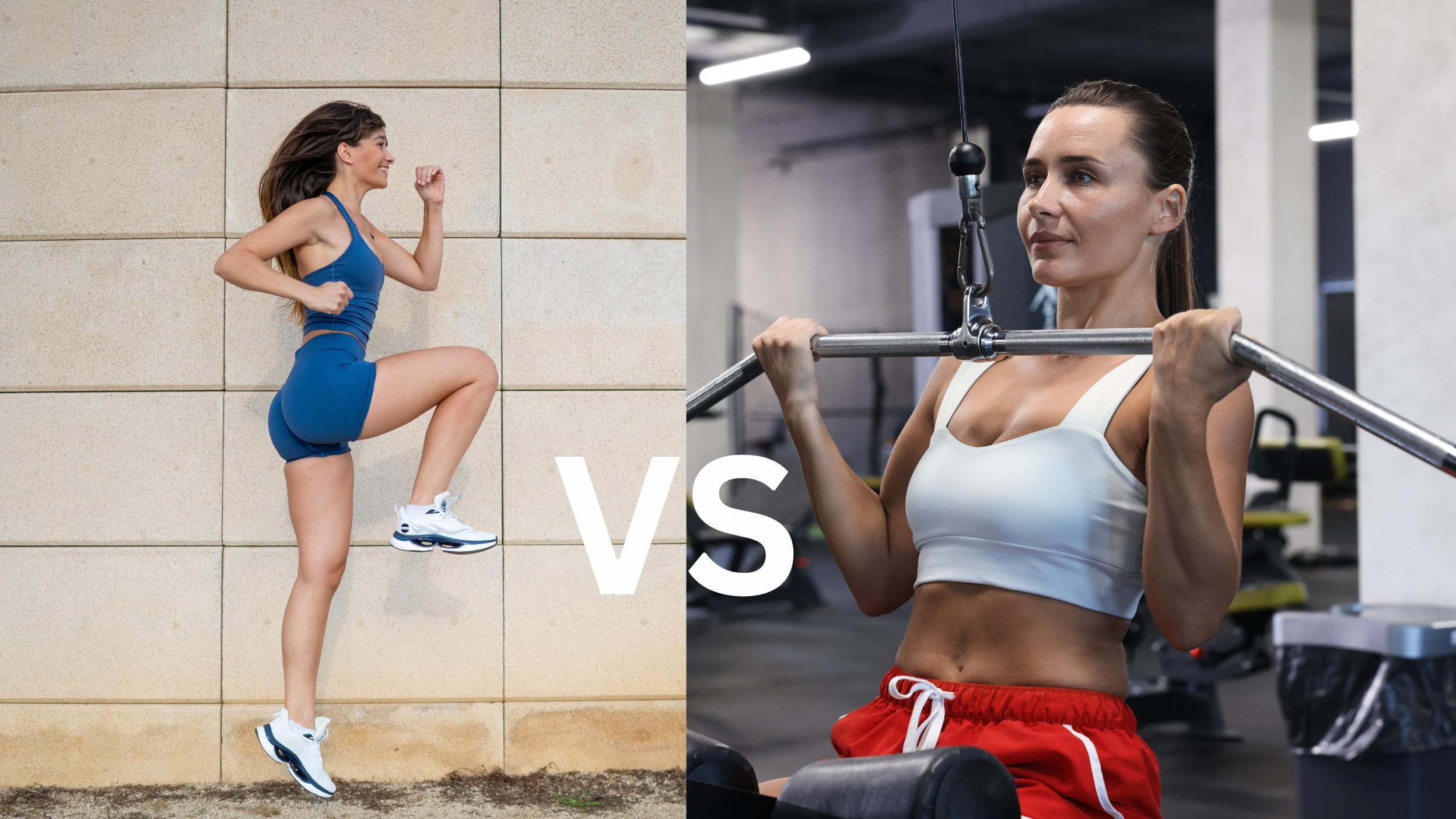
It wasn’t until much later that I learned the difference between female fitness endurance vs explosive power. These two qualities define how the body performs, recovers, and adapts. Endurance builds stamina, while power builds force and speed. Both are essential, but most of us unknowingly lean too far to one side.
When I started incorporating power training into my weekly routine, I discovered a version of strength I’d never felt before. I wasn’t just fit anymore; I was capable. The best part? My endurance improved, too. It turns out that the relationship between endurance and explosive power isn’t competitive; it’s complementary.
Why Most Women Start with Endurance (and Stay There Too Long)
Most women I’ve met, including myself years ago, begin with endurance because it feels safe. It’s familiar, socially accepted, and comes with a built in sense of accomplishment. When you finish a long run or a 6 minute cardio session, you feel like you’ve “done the work.”
In my twenties, I thought this was the only way to be healthy. I’d log miles on the treadmill, chase calorie burns, and feel guilty if I missed a cardio session. But despite training constantly, I wasn’t getting stronger or leaner. I was stuck in the same loop of overtraining and fatigue.
What I later realized is that pure endurance training improves cardiovascular fitness but doesn’t always support hormonal balance or muscle health. Too much of it can even slow metabolism and trigger chronic stress. I noticed that my body composition didn’t change much no matter how much I trained.
Once I began adding short, focused power sessions and strength based workouts, my energy levels stabilized. I could finally run longer distances without crashing. I wasn’t just surviving workouts anymore; I was thriving through them.
What Explosive Power Really Means for Female Fitness
Explosive power sounds intimidating, but it’s not just for athletes or weightlifters. It’s about how quickly your body can generate force. That could mean jumping, sprinting, lifting, or even reacting faster in daily life.
For me, power training started small. I swapped one of my cardio sessions for short HIIT workouts using my body weight. Think jump squats, kettlebell swings, or short sprints. Within weeks, I noticed my stride when running became stronger. My posture improved, and I felt more stable in every movement.
Power training rewired how my body performed. It built strength without adding bulk and gave me energy that lasted all day. I also found it boosted my confidence in a different way. There’s something empowering about realizing how quickly your body can move and respond.
For women, explosive power also plays a crucial role in longevity. It supports joint stability, balance, and bone health. It keeps muscles active as we age and counteracts the slow loss of fast twitch muscle fibers that happens naturally over time.
When women understand that explosive power isn’t about becoming “bulky” but about becoming efficient, we start to see fitness in a new light.
The Science: Hormones, Muscle Fibers, and Training Response
Over the years, I’ve learned that our physiology sets us up differently from men, but not in a limiting way. Women generally have a higher proportion of slow twitch muscle fibers. These fibers are built for endurance and sustained effort, which is why many women naturally excel in long distance running or cycling.
Fast-twitch fibers, which are responsible for explosive movements, can be trained to grow stronger with the right kind of resistance work. That’s where the balance between endurance and power comes in. Training both fiber types leads to a more adaptable, capable body.
Hormones play a big role here. Estrogen helps protect muscle tissue and supports recovery, especially when paired with good nutrition and rest. Around ovulation, when estrogen and testosterone peak, many women notice they can push heavier weights and feel more energetic. That’s the perfect time to schedule power or high intensity sessions.
On the other hand, during the luteal phase, when progesterone rises, endurance often feels more natural. The body becomes slightly better at steady state effort, so longer cardio or lower intensity work tends to feel easier.
Once I understood how my hormones affected performance, I stopped fighting against my cycle. Instead of feeling frustrated by fluctuating energy levels, I used them as a guide.
How to Train for Both Endurance and Power
When I first tried to mix endurance and power, I made the classic mistake of doing too much. I’d run long distances one day and attempt max lifts the next. The result? Fatigue, soreness, and no progress.
The trick is programming smartly, not excessively. Here’s the balance that’s worked for me and the women I’ve coached:
| Goal | Focus | Weekly Example | Notes |
| Build Endurance | Moderate, consistent cardio | 2–3 steady sessions (30–45 min) | Keep intensity at a level you can sustain while breathing easily |
| Build Power | Heavy or fast, short bursts | 2–3 sessions of compound lifts or HIIT | Focus on intensity and rest between sets |
| Maintain Both | Hybrid or mixed training | 1–2 sessions combining intervals and resistance | Alternate between strength and cardio blocks |
This kind of schedule allows both systems to develop without competing. For example, I’ll do heavy squats or deadlifts early in the week, then a moderate endurance run two days later. That separation gives my muscles time to recover and adapt.
The biggest difference now is that my workouts have a purpose. Every session serves a goal, either building strength, improving stamina, or enhancing recovery.
My Real World Experience Balancing Both
It took me years to find a rhythm that actually worked long term. I used to push through fatigue because I thought discipline meant never resting. All that got me was burnout and injuries.
Today, my weekly schedule looks like this:
| Day | Training Focus | Example Workout |
| Monday | Strength | Full body compound lifts: squats, rows, presses |
| Tuesday | Endurance | 40 minute tempo run or cycling |
| Wednesday | Mobility | Yoga or flexibility work |
| Thursday | Power | Sprint intervals, box jumps, kettlebell circuits |
| Friday | Strength + short HIIT | Lifting with a 10 minute finisher |
| Saturday | Active Endurance | Hiking or outdoor cardio |
| Sunday | Rest or walking | Light activity for recovery |
Following this kind of pattern improved not only my physical performance but also my recovery. My sleep became deeper, my mood more stable, and my workouts more consistent. I no longer dreaded training days because I wasn’t running on empty.
Clients who’ve tried this approach notice the same thing: better results with less exhaustion. The key is consistency and patience. Your body will adapt, but it needs time and recovery to do so.
Cycle Based Training Tips for Energy and Performance
Cycle syncing became a cornerstone of how I train and coach. Once I began adjusting workouts to align with hormonal shifts, my energy and strength became far more predictable.
Menstrual Phase (Days 1–5)
This is my recovery window. I keep things light with walking, stretching, or yoga. Gentle endurance work improves blood flow and helps relieve cramps, but I avoid high intensity.
Follicular Phase (Days 6–13)
As energy builds, I increase resistance and add new skills. This is the time to experiment with heavier lifts or faster sprints. I also notice my coordination improves during this phase.
Ovulation (Days 14–16)
My peak performance window. This is when I schedule explosive training sessions like HIIT, sprinting, and heavy lifting. My motivation and confidence naturally rise, so it’s a great time for PR attempts.
Luteal Phase (Days 17–28)
Endurance takes center stage. I focus on steady cardio, mobility, and low impact strength. Since fatigue can increase, I pay more attention to recovery, hydration, and nutrition.
When I follow this cycle aware structure, my workouts feel aligned instead of forced. It’s no longer a struggle between my goals and my biology.
Common Mistakes Women Make in Power or Endurance Training
After years of training myself and others, I’ve noticed certain mistakes that keep women stuck or injured.
1. Overdoing Cardio
More cardio isn’t always better. Excessive endurance work without recovery can increase stress hormones, reduce muscle tone, and slow progress.
2. Avoiding Strength Work
Lifting heavy isn’t about getting bulky. It’s about building lean muscle that supports metabolism and joint health. Once I started lifting heavier, my body became leaner, not larger.
3. Ignoring Rest Days
Recovery is where your muscles grow stronger. Without rest, you’re just breaking your body down. I learned this lesson after years of fatigue and minor injuries.
4. Misusing HIIT
HIIT is incredibly effective but also demanding. Doing it every day leads to burnout. Two or three high quality sessions a week are plenty.
5. Training Against Your Cycle
Forcing intensity during low energy phases leads to frustration. Matching training type to hormonal energy makes performance steadier and more enjoyable.
Fixing these mistakes made my training experience smoother and my results more sustainable.
FAQs About Female Fitness Endurance vs Explosive Power
Q: What’s better for women, endurance training or explosive power workouts?
Both are important. Endurance improves cardiovascular health and mental stamina, while power training builds muscle, strength, and coordination. The best approach is to blend the two based on your goals.
Q: Can women gain muscle and still improve cardio fitness?
Yes. Strength training supports muscle function and metabolic health, which actually enhances endurance capacity. You can absolutely build both if you balance recovery.
Q: How do I build explosive power without losing endurance?
Alternate between short, intense training sessions and steady state cardio. For example, two days of strength and HIIT combined with two days of endurance training per week works well.
Q: How often should women train cardio versus strength?
For most women, three strength or power days and two endurance sessions weekly create a balanced foundation. Adjust according to your energy and recovery needs.
Q: Do HIIT workouts help women build both endurance and power?
Yes. HIIT improves cardiovascular efficiency while developing fast twitch muscle fibers. It bridges the gap between endurance and explosive strength when done correctly.
Final Thoughts
Finding balance between endurance and explosive power changed everything about the way I train and how I feel. I used to believe I had to pick one side: either run long distances or lift heavy. But once I combined the two with intention, my performance, energy, and confidence all improved.
I no longer chase exhaustion or use workouts as punishment. I train with purpose. I know when to push and when to rest. I understand that strength and stamina aren’t opposites; they’re partners in progress.
Every woman can benefit from exploring both sides of her fitness. Whether you love long runs, heavy lifts, or fast sprints, your best performance comes from balance, not extremes.
Now, when I finish a workout, I don’t just feel tired, I feel capable. That’s the real goal of fitness. It’s not about being the strongest or the fastest; it’s about being in tune with your body and training in a way that makes you feel powerful every single day.
That, to me, is the essence of female fitness endurance vs explosive power.