Table of Contents
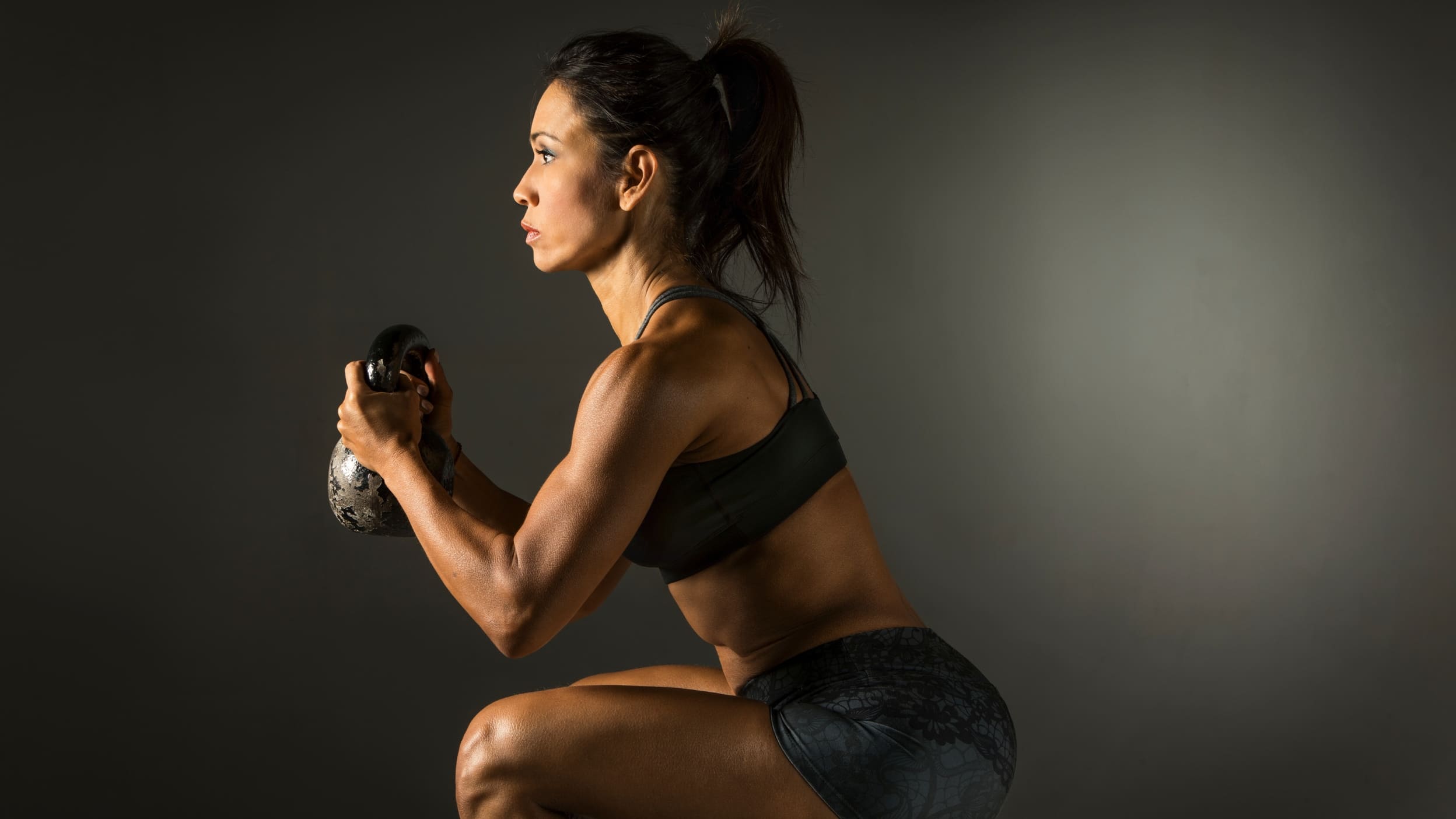
When I first started lifting weights, I thought my form was solid. I went heavy, pushed myself, and felt the burn after every workout. My legs were sore, so I assumed that meant progress. But after months of training, my glutes still didn’t feel engaged, my knees were sore, and I couldn’t seem to break past a certain strength barrier. Female fitness heel drive cue raises strength drive through your heels and pushing the floor away.
During a coaching session, my mentor stopped me mid-squat and said, “You’re lifting from your toes.” I looked down and realized my heels were barely touching the ground as I moved. That single observation changed the course of my training forever.
Once I learned how to drive through my heels, everything about my lower body workouts transformed. My balance improved, my glutes finally activated, and my knees stopped aching. More importantly, my strength began to increase consistently. I realized I’d been missing one simple but powerful concept that could completely redefine how women train: heel drive.
Since then, I’ve used this cue with every client I train. Without fail, they experience the same breakthrough I did.
What Heel Drive Actually Means (and Why It Matters for Women)
Heel drive means pressing your heels firmly into the ground throughout lower body movements such as squats, deadlifts, lunges, and hip thrusts. It’s a cue that grounds your body and allows you to generate maximum power from your legs and hips.
When you push through your heels, your center of gravity shifts slightly backward, activating the posterior chain the glutes, hamstrings, and calves that power your body’s strongest movements. This shift changes everything. Instead of overloading the quads and knees, heel drive balances the tension through the hips and hamstrings, giving you both stability and strength.
For women, heel drive is especially important. Many of us have a natural anterior pelvic tilt or wider hips, which makes us more prone to using the front of our legs for most movements. Over time, that imbalance can lead to knee discomfort and lack of glute development. Heel drive corrects this by teaching the body to share the workload evenly across all the right muscles.
The difference is visible and physical. My lifts became smoother, my form cleaner, and I began to feel my glutes working more efficiently. Every time I stepped into the gym, I felt more confident in my body’s ability to move powerfully and safely.
The Science Behind Heel Drive and Strength
Heel drive isn’t just a training tip it’s grounded in biomechanics. When you push through your heels, your joints naturally align in a stronger and safer position. The heels connect directly to the glutes and hamstrings through the kinetic chain, allowing your body to generate maximum force without unnecessary stress on your knees.
In practical terms, pressing through your heels improves your balance and stability, ensuring your body moves in one unified motion. This not only helps you lift heavier but also minimizes injury risk.
I noticed this firsthand in my own progress. Before incorporating heel drive, I often tipped forward during squats and good mornings. My weight shifted onto my toes, and my knees would buckle slightly. Once I started focusing on heel pressure, my lifts became far more controlled. My squat depth improved, and my posterior chain, particularly my glutes began to strengthen rapidly.
I’ve also seen it work wonders for my clients. One of my athletes had been stuck at the same squat weight for months. After introducing heel drive and retraining her stance, she added twenty pounds to her lift within three weeks. She couldn’t believe that one adjustment could make such a difference.
Heel drive works because it optimizes the way your body produces and transfers force. You don’t need to work harder you just need to work smarter.
How I Teach Heel Drive to Clients (and What Most Women Get Wrong)
Teaching heel drive starts with awareness. Many women aren’t even conscious of how they distribute their weight during a movement. So before I talk about muscles or mechanics, I get them to feel the floor.
The first thing I tell them is to train barefoot or wear flat-soled shoes. Thick, cushioned sneakers can mute your connection to the ground and make it harder to sense balance. When your feet are flat, you can feel exactly where your pressure is going.
Then I introduce the concept of the foot tripod. I explain that each foot has three points of contact the heel, the big toe, and the pinky toe. All three should stay planted throughout the movement.
Next, we work on setup and execution:
1. Brace and anchor. Before descending into a squat or lunge, I instruct them to brace their core and imagine rooting their heels into the floor.
2. Control the descent. As they move down, the goal is to keep their weight balanced and their heels fully grounded.
3. Drive through the heels. On the way up, I tell them to push the floor away with their heels. This instantly shifts activation to the glutes and hamstrings.
The most common mistake women make is allowing their heels to lift slightly as they stand. It doesn’t seem like a big deal, but it drastically changes muscle recruitment. When I correct this, the difference is immediate. The moment they stay planted and drive through the heels, they feel the lift becoming more powerful and stable.
Why You Might Be Losing Power in Your Squats
If you’ve ever felt like your squats plateau or your knees ache during training, there’s a good chance you’re losing power because of how your feet interact with the ground. Here are the three main reasons this happens.
Weak glutes and hamstrings
When your glutes and hamstrings aren’t pulling their weight, your body automatically shifts forward, forcing your quads to take over. This limits both strength and muscle development.
Tight calves and ankles
Restricted ankle mobility prevents your heels from staying flat, which throws off your balance. I dealt with this after a sprain years ago. Regular ankle stretches and calf foam rolling made it possible for me to regain full range of motion and maintain heel contact again.
Poor core engagement
If your core isn’t braced properly, your body loses stability. You end up tipping forward or collapsing mid-lift, which kills your power. Engaging your abs during every lift is essential for maintaining alignment.
Addressing these weaknesses made a world of difference for me. My squat numbers climbed, and my confidence followed. I no longer worried about discomfort because my form finally supported my goals.
Exercises That Benefit Most from Heel Drive
Once you learn how to apply heel drive, you’ll start to see improvements across all your lower-body training. Here are the key exercises where it makes the biggest impact.
Squats
This is the foundation. Driving through your heels keeps your knees aligned over your ankles, allowing you to recruit your glutes and hamstrings efficiently.
Deadlifts
Heel drive is critical for proper hip hinge mechanics. It prevents your weight from rolling forward, which protects your back and improves power from the ground up.
Lunges
Pressing through the heel of your front foot ensures balance and keeps your movement smooth. You’ll feel more stable and notice less strain on your knees.
Hip Thrusts
When you focus on heel pressure at the top of the movement, you’ll feel your glutes fully contract. This is the difference between simply moving weight and actually building muscle.
Step-Ups
Driving through the heel as you step up helps activate your glutes and stabilize your hips. It also makes each rep more intentional and effective.
Romanian Deadlifts
Keeping heel contact through the entire motion maximizes tension in your hamstrings and keeps your spine neutral.
Every time I remind myself to stay grounded through my heels, I can feel the lift become more powerful and controlled. It’s a simple cue, but it’s one that changes everything.
My Female Fitness Leg Strength Sequence
Here’s the lower-body sequence I use personally and with my clients to reinforce heel drive and maximize glute activation.
| Exercise | Focus | Sets x Reps | Cue |
| Barbell Back Squat | Full lower-body strength | 4×8 | Drive through heels on the way up |
| Romanian Deadlift | Hamstrings and glutes | 3×10 | Keep hips back and heels anchored |
| Bulgarian Split Squat | Unilateral balance | 3×10 each leg | Push through front heel for control |
| Hip Thrust | Glute isolation | 3×12 | Press heels into the floor and squeeze |
| Step-Up | Functional power | 3×10 each leg | Heel first, full contact on platform |
| Glute Bridge Hold | Burnout finisher | 2×30 seconds | Keep heels planted, hips high |
When I follow this sequence consistently, I feel grounded and strong from the first rep to the last. My lifts are smooth, my energy lasts longer, and I recover faster. The women I train report the same thing fewer aches, more strength, and visible definition within weeks.
FAQs
Should women push through their heels or midfoot for strength?
Both matter, but the heels should take priority. Keeping pressure through your heels ensures your glutes and hamstrings are activated while maintaining balance through your midfoot.
Why do my quads burn more than my glutes when I squat?
You’re probably shifting forward onto your toes. Reset your stance, keep your chest open, and imagine pushing the floor away with your heels.
Can heel drive help with knee pain?
Yes. Heel drive reduces stress on the knees by aligning your hips and ankles properly. It allows the stronger posterior muscles to handle the workload.
Final Thoughts
After years of training, I’ve learned that the smallest adjustments often create the biggest breakthroughs. Heel drive might sound like a minor cue, but it can completely change the way you lift.
Once I learned to anchor myself through my heels, my strength grew, my pain disappeared, and my confidence skyrocketed. My movements felt more natural, powerful, and connected. I stopped chasing perfection and started focusing on precision.
If your lower body workouts feel stuck, start with this one cue. Ground yourself. Feel your heels pressing into the floor with every rep. Pay attention to how your body moves and how the power flows upward from your feet.
True strength isn’t about lifting heavier right away. It’s about mastering the small details that build a foundation for progress. When your heels are grounded, everything above them falls into alignment strength, stability, and self-trust.
