Table of Contents
If you have ever taken a deep breath after a stressful moment and felt instantly calmer, that is your body’s natural feedback loop at work. Breath directly influences mood, stress, and energy more than most women realize.
When I first started exploring this connection, I did not think breathing could have that much impact. I thought it was just about getting oxygen into my lungs. But once I began studying how breath affects the nervous system, I realized I had been overlooking one of the simplest and most powerful wellness tools available.
Breathing is both automatic and controllable, which makes it unique. It is the only system in our body we can consciously influence at any time. The quality of our breathing reflects the quality of our internal state. Fast, shallow breathing sends signals of stress. Slow, deep breathing tells your body you are safe. And safety is where true recovery, clarity, and confidence live.
Every woman I have coached who learned to control her breath noticed the same shift. Their mood improved, their focus sharpened, and they began feeling calmer, not just during workouts but throughout their day.
Why Women Need a Breathing Reset
Women experience more hormonal and emotional fluctuations than men, which makes breathing regulation even more essential. Throughout the menstrual cycle, our hormone levels influence how we breathe, sleep, and even how we respond to stress.
For example, during the luteal phase, progesterone levels rise. This can make breathing slightly faster and more shallow, leading to tension, irritability, and fatigue. I used to think I just needed to push through those days, but pushing only made me more exhausted. Once I started using intentional breathing, my stress response softened, and my energy felt steadier.
A breathing reset helps re-center your nervous system, which often gets overstimulated by work, workouts, and emotional demands. It is a way of grounding yourself without needing a long meditation session or a full day off. It gives your body permission to exhale, literally and emotionally.
I like to think of it as pressing the reset button on your mind. It does not erase what is happening around you, but it changes how you respond to it.
My Personal Experience with Breathwork in Fitness
I stumbled into breathwork out of pure necessity. I was training intensely and juggling too much outside the gym. I remember finishing a session one day and feeling completely drained, not physically but emotionally. My coach suggested I try a breathing reset before leaving.
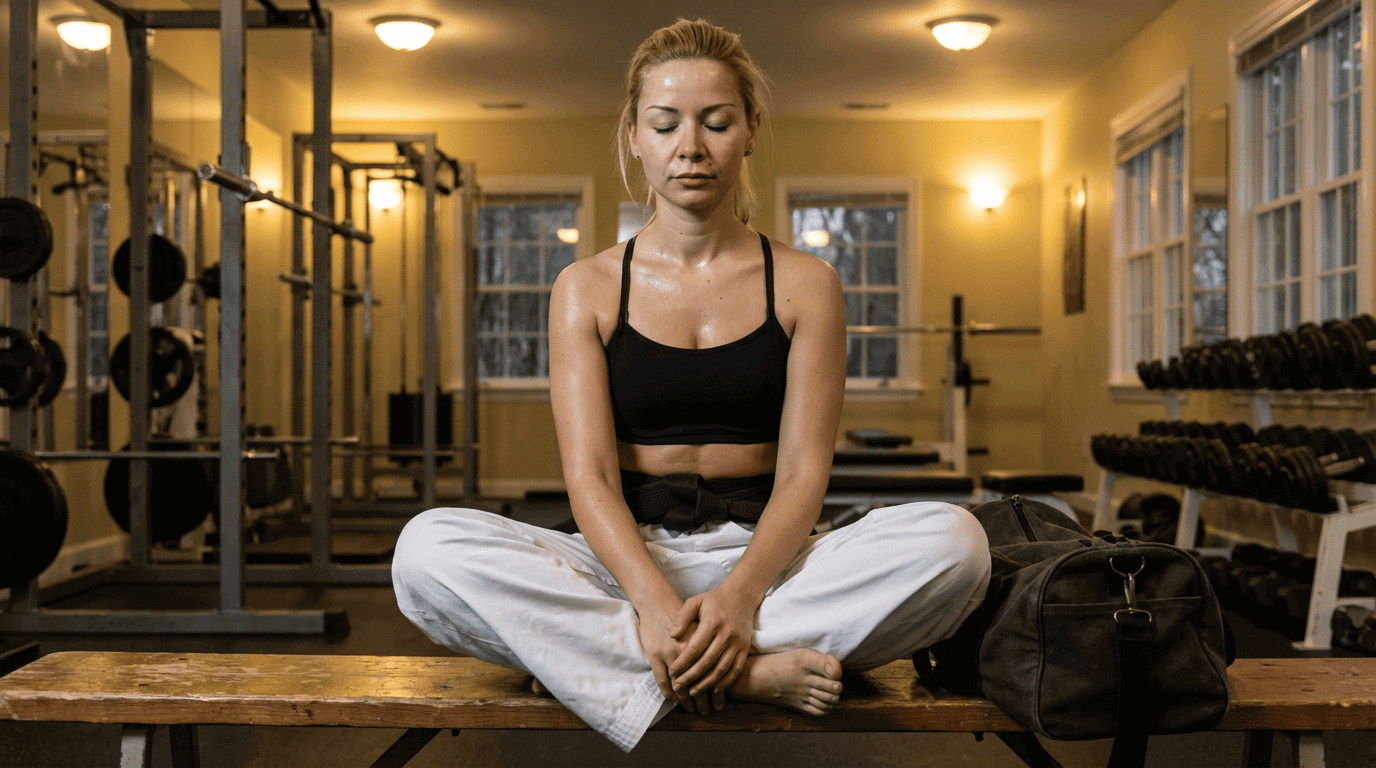
At first, I thought it was too simple to matter. I sat down, closed my eyes, and followed his cues to slow my breathing. Inhale through the nose for four counts, hold for two, exhale for six. Within minutes, my entire body softened. My heart rate dropped, my shoulders released, and for the first time that week, I felt present.
I started adding that same technique after every workout and before stressful meetings. The difference it made was incredible. I recovered faster, slept better, and did not snap at minor frustrations. What I did not expect was how much it improved my workouts too. My focus and stability under load became stronger because I was not carrying so much hidden tension.
Breathwork became my anchor. It reminded me that I could shift my mood and energy anytime, anywhere, with just a few deep breaths.
The Science Behind Breathing and Emotional Regulation
The science of breathwork is as fascinating as it is practical. When we slow down our breathing, we activate the vagus nerve, a major communication channel between the brain and body. This nerve controls the parasympathetic nervous system, which governs calmness, digestion, and recovery.
When you are stressed or anxious, your sympathetic system, the fight or flight response, takes over. Breathing becomes quick and shallow, and cortisol spikes. But when you consciously take slower, deeper breaths, you flip that internal switch. Heart rate slows, blood pressure drops, and the brain releases calming neurotransmitters like serotonin and dopamine.
This is why breathwork helps so much during PMS, anxiety, or burnout. It directly affects the physiology behind those emotions. You do not have to talk yourself into calmness; your breath does the work for you.
One of the most profound parts of this process is how fast it works. In as little as two minutes, you can change your entire internal state without needing supplements, caffeine, or distraction.
How to Do the Female Fitness Breathing Reset
The breathing reset I use is simple, portable, and adaptable. You can do it at your desk, in your car, or on the gym floor.
Here is how I practice it:
1. Find your position
Sit comfortably or lie down. Relax your shoulders and unclench your jaw. Place one hand on your chest and the other on your belly.
2. Inhale deeply through your nose for four seconds
Let the air expand your belly first, then your ribs, and finally your chest. You should feel your lower hand rise more than the top.
3. Hold for two seconds
Pause and let the oxygen settle. This short hold helps your body absorb the breath.
4. Exhale slowly for six to eight seconds
Breathe out gently through your mouth, like you are sighing out tension. The long exhale is where the calm happens.
5. Repeat for ten rounds
You will start to feel your pulse slow and your muscles relax after just a few breaths. By the tenth round, your body will feel noticeably lighter and clearer.
For deeper resets, I sometimes extend the exhale to ten seconds. The longer you can comfortably exhale, the more control you have over your stress response.
Breathing and Hormones The Hidden Link
Most women never consider how breathing interacts with hormones, but the connection is powerful. During the follicular phase, estrogen supports better oxygen utilization and energy. This makes deep, rhythmic breathing easier and can enhance workout performance.
During the luteal phase, progesterone can make you feel more bloated or anxious, which tightens breathing patterns. This is the perfect time to emphasize slow exhales and gentle diaphragmatic breathing.
I also noticed that deep breathing helped reduce PMS bloating and headaches, likely because it improves circulation and lowers tension in the abdominal area. Over time, my cycle symptoms felt less intense, and my emotional highs and lows became more manageable.
Think of breathwork as hormonal maintenance. It does not replace nutrition or rest, but it enhances how your body manages natural fluctuations.
How Breathwork Supports Energy and Recovery
Women often underestimate how much poor breathing affects their energy levels. When you breathe shallowly, you limit oxygen intake, which means less energy reaches your muscles and brain. That is one reason why fatigue and low mood often go hand in hand.
Breathwork restores that oxygen flow. I use it post-workout to speed up recovery and reduce muscle soreness. When the body is flooded with oxygen, inflammation decreases, and healing accelerates.
Beyond physical recovery, breathwork also replenishes emotional energy. I have had countless clients tell me that after just one breathing session, their mental fog lifted and they felt like themselves again. It is a gentle reset that realigns body and mind.
On low energy days, instead of forcing myself into another coffee or workout, I start with a five minute breathing session. Nine times out of ten, I end up feeling recharged enough to move anyway without stimulants or strain.
Common Mistakes Women Make When Breathing
When I first started teaching breathwork, I noticed most women were not breathing properly at all. The biggest mistake was chest breathing. It is fast, shallow, and keeps your nervous system stuck in stress mode.
Here are a few habits that can undermine your breathing reset:
- Mouth breathing: It dries out airways and increases anxiety. Nasal breathing filters air and promotes nitric oxide production, which helps oxygen delivery.
- Holding your breath unconsciously: Many women do this when concentrating, especially during workouts. It spikes blood pressure and tightens muscles unnecessarily.
- Over-effort: Breathwork should not feel forced. If you are dizzy or tense, you are trying too hard. Focus on flow, not performance.
Once you start noticing your breathing patterns, you will catch these habits and correct them naturally. Awareness always comes first.
When to Use the Breathing Reset in Your Day
I use my breathing reset at different times depending on what I need.
Morning: A few slow breaths help me start the day grounded and clear headed. It sets the tone before emails, workouts, or stress can take over.
During the workday: When I feel overwhelmed or distracted, a short reset helps me focus. It is like hitting pause on mental noise.
After workouts: This is when I use breathwork most consistently. It brings my heart rate down faster, improves recovery, and helps me transition out of performance mode.
Before bed: Slowing my breathing signals my body that it is safe to rest. It is my version of turning off the mental switch before sleep.
Even two minutes of intentional breathing can change how your entire day feels. It is the simplest form of self-regulation I know.
FAQs
How can breathing exercises improve mood for women?
Breathing activates the parasympathetic nervous system, reducing cortisol and increasing serotonin, which improves mood and emotional regulation.
Why does focused breathing calm anxiety so quickly?
It lowers heart rate, stabilizes blood pressure, and sends safety signals to the brain, shifting you out of fight or flight.
Can breathwork support hormone balance?
Yes. By calming your nervous system, it reduces cortisol dominance, which helps restore hormonal balance naturally.
Final Thoughts
Breathing has become the foundation of my wellness practice. It is something I turn to daily, not just when I feel anxious, but as a way to stay balanced. What started as a fitness tool evolved into one of the most important forms of self-care in my life.
I have learned that you cannot always control your environment, but you can control your breath. That single choice changes everything. It grounds you, energizes you, and reminds you that your body knows how to return to balance if you give it the chance.
For women especially, breathwork bridges the gap between physical performance and emotional strength. It connects you to your body in a deeper way and teaches you how to respond instead of react.
The next time you feel overwhelmed, take a moment for a breathing reset. Inhale calm, exhale tension, and feel your mood shift from chaos to clarity. It is simple, it is free, and it works every single time.