Table of Contents
For years, PMS had complete control over my training. I beat PMS and won big would be consistent for two weeks, feeling strong, confident, and in rhythm, then suddenly everything would fall apart. I’d wake up bloated, heavy, and completely unmotivated to move. Every set felt twice as hard, and even my favorite workouts felt like a chore.
What frustrated me most wasn’t the physical symptoms. It was the mental spiral that followed. I’d beat myself up for missing workouts, thinking I was weak or undisciplined. I didn’t realize that what I was experiencing wasn’t laziness or lack of motivation. It was my body trying to communicate with me.
Back then, I didn’t understand how hormones could affect my energy, strength, and recovery. I just kept trying to push harder, believing that willpower could fix everything. Spoiler alert: it couldn’t. That approach only left me drained and frustrated, caught in the same exhausting loop month after month.
The Turning Point That Changed Everything
The breakthrough came when I finally got curious instead of critical. I started tracking how I felt before, during, and after my workouts. I noted when I felt strong and when I felt sluggish. Within two months, I noticed clear patterns.
During my follicular phase, I was full of energy and motivation. My workouts felt powerful, and I could easily push myself. But as I moved into my luteal phase, things shifted. My energy dipped, my patience shortened, and recovery took longer. That realization was huge. It helped me see that my cycle wasn’t an obstacle. It was a rhythm I could work with.
So I stopped trying to force consistency in the wrong way. Instead, I started designing my workouts to match how I actually felt. That single shift changed not just my body but my entire relationship with fitness.
Learning to Train Smarter, Not Harder
Once I accepted that I didn’t need to train at 100 percent all the time, I finally started to make real progress. I realized that consistency didn’t mean doing the same workout every day. It meant showing up in a way that supported my body’s needs.
When PMS symptoms hit, I focused on movement that restored rather than drained me. I stopped feeling guilty for scaling back because I understood it was part of a bigger picture.
Here’s how my training looks now:
| Cycle Phase | Focus | Example Workouts |
| Follicular | Building strength and power | Weight lifting, HIIT, resistance training |
| Ovulation | Pushing performance and intensity | Sprints, cardio intervals, group sessions |
| Luteal | Controlled movement and stability | Pilates, yoga, moderate resistance work |
| Menstrual | Recovery and gentle activity | Walking, stretching, mobility work |
By aligning my training with my hormones, I started seeing better results with less burnout. I built strength more steadily and actually looked forward to my workouts instead of dreading them.
How I Used Female Fitness to Balance My Hormones
When I started syncing my training with my cycle, something incredible happened. My PMS symptoms began to ease. My bloating decreased, my mood swings became milder, and my energy stayed more consistent throughout the month.
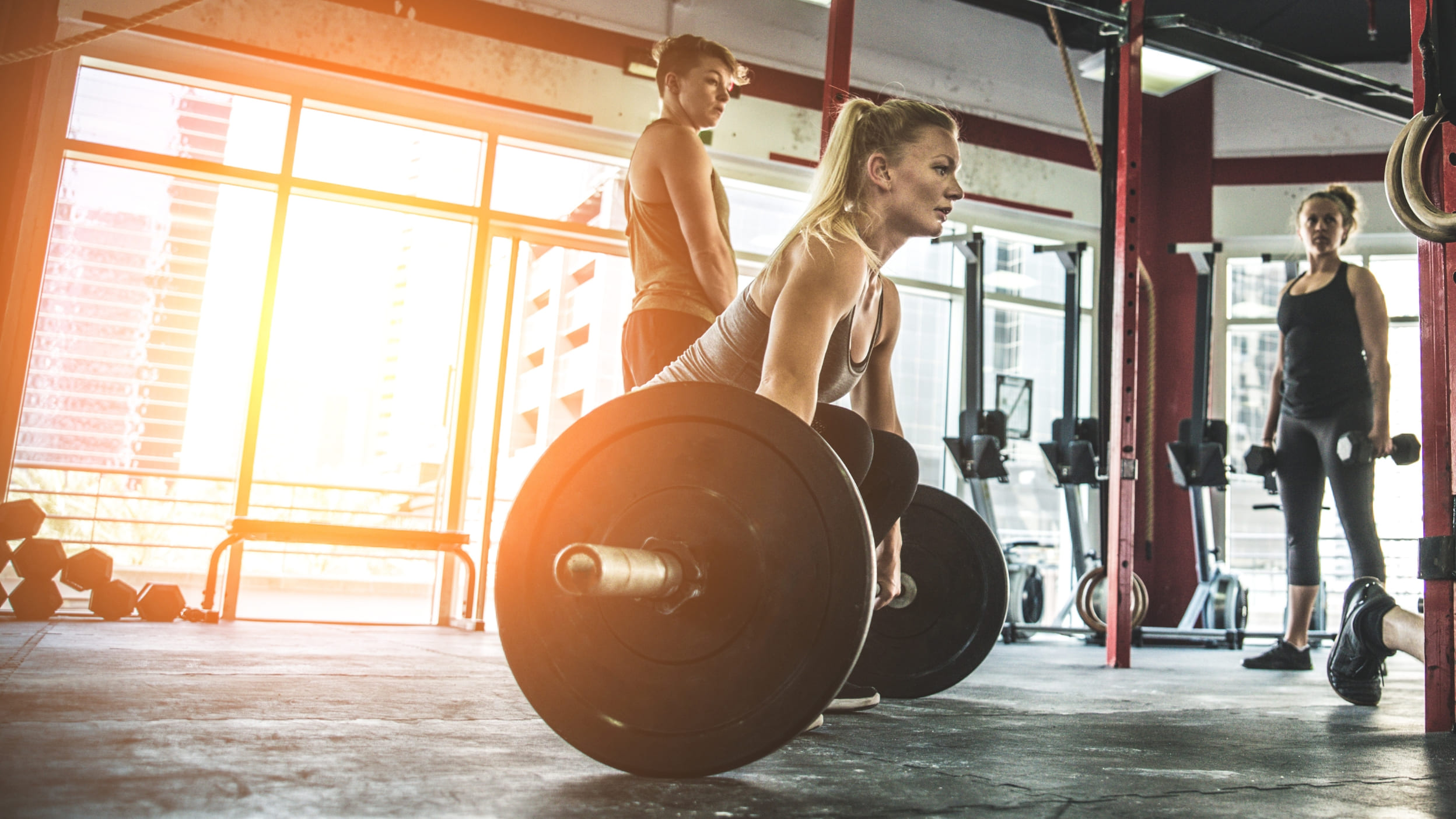
Strength training became my anchor. It gave me a sense of stability, both physically and mentally. When I lifted weights, I felt grounded. My stress levels dropped, and my sleep improved. Over time, my cycle became more predictable and manageable.
I learned that movement isn’t just about burning calories. It’s a tool to regulate hormones, improve digestion, and reduce inflammation, all of which play a role in PMS. I didn’t need extreme routines; I needed the right kind of balance.
The Best PMS Friendly Workouts That Actually Helped
When PMS arrives, I shift my focus from performance to support. I choose workouts that feel nurturing, not punishing. These are my go-to moves for tough days:
1. Gentle Cardio
Walking or cycling at a slow pace helps relieve tension and clear my mind. A 30-minute walk outdoors often does more for my mood than a high-intensity workout ever could.
2. Bodyweight Circuits
Short, low-impact circuits keep my body active without overexertion. Think squats, glute bridges, planks, and lunges. It keeps blood flow steady and helps reduce cramps.
3. Mobility and Stretching
I make it a rule to dedicate at least 10 minutes to mobility during PMS. It helps me feel more in tune with my body and reduces stiffness, especially in my lower back and hips.
4. Yoga for Hormonal Balance
Yoga is a game changer. Certain poses like child’s pose, reclined twist, or legs up the wall help relieve bloating and calm my nervous system.
5. Restorative Movement
Sometimes, the best workout is active rest. I use foam rollers, take warm baths, or simply stretch. These slower moments help me recover and feel more connected to myself.
By rotating these options, I stay active even on my lowest-energy days. The key is to move with intention, not punishment.
The Mindset Shift That Built My Confidence
What changed everything for me wasn’t just the workouts. It was my mindset. I stopped seeing PMS as an enemy and started seeing it as feedback. My body wasn’t weak; it was wise. It was teaching me how to listen.
Before, I measured progress only by physical changes. Now, I measure it by how good I feel in my body. Confidence isn’t about perfection; it’s about connection. When I learned to align with my cycle, I felt more in control, more grounded, and more proud of myself.
Every time I honor what my body needs, I build self trust. That confidence doesn’t stay in the gym. It shows up everywhere else in my life.
Nutrition and Recovery That Made All the Difference
Fitness alone wasn’t enough. Once I learned how much nutrition and recovery affected my PMS, I started being more intentional about what I put into my body.
During my luteal phase, I focus on foods rich in magnesium, iron, and B vitamins such as dark chocolate, spinach, eggs, and sweet potatoes. I also stay consistent with hydration. PMS bloating often comes from dehydration, so I drink electrolyte water daily.
Sleep became another priority. I used to stay up late finishing tasks, thinking it didn’t matter. But once I started getting seven to eight hours of sleep consistently, my recovery improved, and my PMS symptoms became lighter.
I also practice active recovery. Foam rolling, stretching, and mobility work have become non negotiable parts of my routine. These small habits made a huge difference in how I feel both before and during my period.
Managing Energy and Motivation Through My Cycle
One of the most valuable lessons I’ve learned is that motivation is cyclical, just like energy. Instead of forcing productivity, I now plan my workouts and work schedule around my natural highs and lows.
Here’s my simple guide:
- High-energy days: Go for strength training and challenging tasks.
- Mid-energy days: Focus on consistency and technique.
- Low-energy days: Prioritize rest, stretching, and mindfulness.
This approach removed the guilt I used to feel when I needed rest. It also made me more productive overall because I wasn’t fighting against myself anymore.
When I sync my workouts and business with my cycle, I perform better in both. It’s not about doing more; it’s about doing what works.
FAQs About Beat PMS and Won Big
1. Should I work out during PMS or rest completely?
You can still work out, but intensity matters. Choose gentle movement like walking or yoga to support recovery and reduce stress.
2. What type of workout helps with PMS mood swings?
Light cardio and strength training can boost serotonin and help stabilize your mood. Even a short 20-minute session can make a difference.
3. How do I stay consistent with fitness when PMS hits hard?
Focus on movement goals rather than performance. Even if it’s stretching or mobility work, show up for yourself in small ways. It keeps the habit alive without pushing too hard.
Final Thoughts
PMS used to feel like a setback I had to fight against every month. But once I started syncing my workouts with my hormones, everything changed. I stopped burning out, started performing better, and gained confidence I didn’t know I was missing.
Now, instead of seeing my cycle as something to endure, I see it as a guide. Each phase offers something different strength, creativity, reflection, or rest. When I learned to embrace that rhythm, my fitness journey stopped feeling like a struggle and started feeling like a partnership.
If you’re tired of starting over every month, start listening to your body instead of fighting it. The more you align your training, nutrition, and mindset with your hormones, the stronger, calmer, and more confident you’ll become.
Female fitness isn’t about perfection. It’s about understanding your body’s rhythm, honoring it, and using it as a superpower. Once you do, you won’t just beat PMS, you’ll thrive through it.