Table of Contents
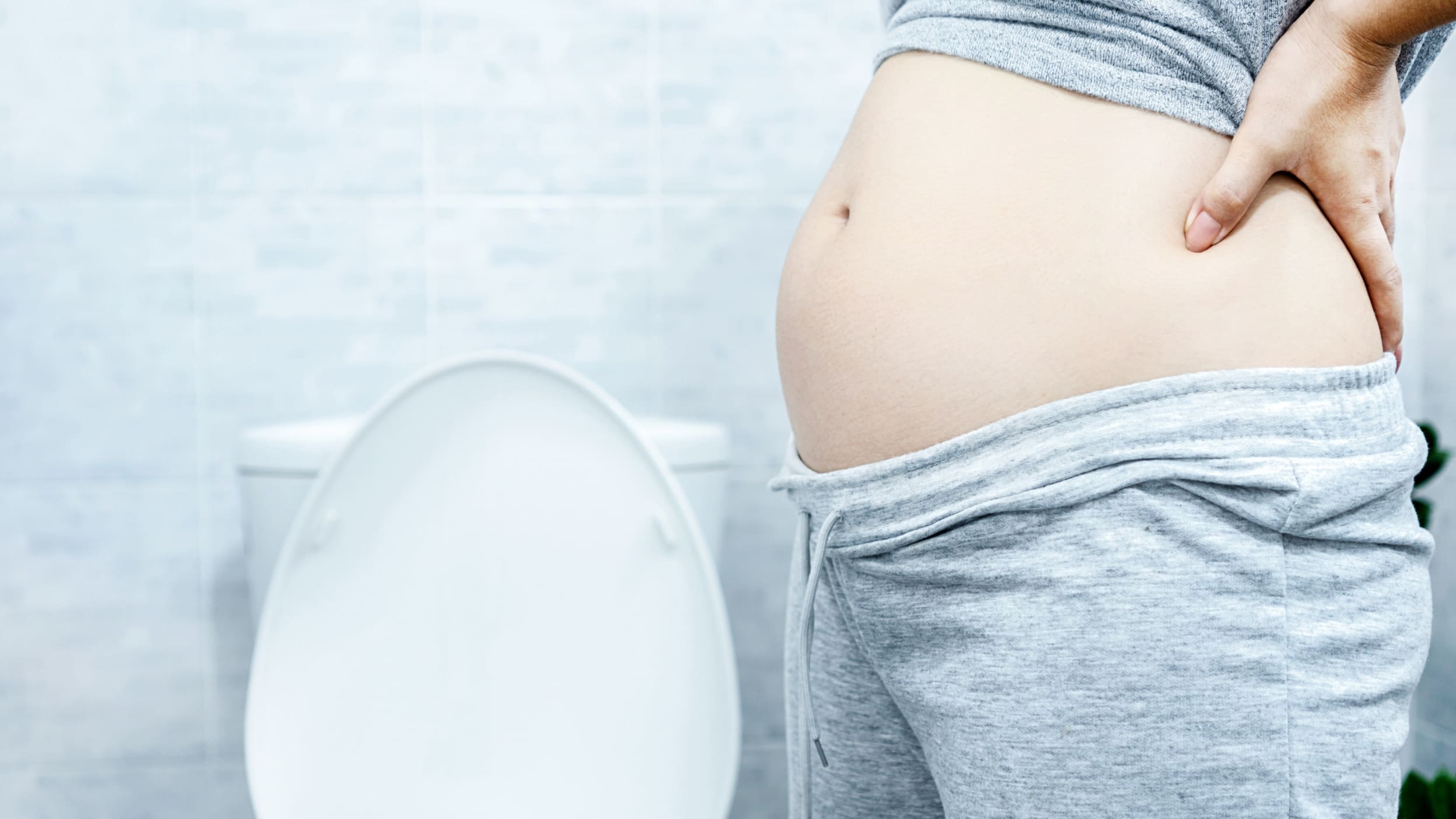
If you’ve ever left the gym feeling heavier or puffier than when you walked in, you’re not imagining it. Beat Bloat: Bloating is one of the most common struggles I hear from women, especially those training consistently and eating what they believe is a healthy diet.
I used to think bloating only happened after eating junk food or salty snacks. Over time, I realized it’s far more complex. Female digestion is influenced by stress, hormones, hydration, and even how hard we train. When you mix a tough workout with poor meal timing or the wrong foods, your body reacts.
During certain phases of the menstrual cycle, progesterone slows digestion, leading to water retention and that uncomfortable tight belly feeling. Add caffeine, protein shakes, or high fiber foods, and it’s no wonder so many of us feel swollen even after training hard.
I’ve learned that beating bloat isn’t about cutting foods out. It’s about learning how to fuel in a way that supports your hormones, digestion, and performance. Once you understand what your body needs, that constant heaviness finally starts to fade.
The Hidden Connection Between Digestion and Female Fitness
Most women treat fitness and digestion as separate things. But the truth is, your gut and your workouts are deeply connected. If your digestion is off, your energy, endurance, and recovery all suffer.
I noticed this during my own training years ago. Whenever I ate heavy meals too close to workouts, I felt sluggish. When I switched to lighter, balanced meals, my body responded immediately. My endurance improved, my core felt less tight, and I could focus on performance rather than discomfort.
The gut plays a major role in nutrient absorption, inflammation, and even mood. When it’s working well, you recover faster and train harder. When it’s not, you can feel fatigued, foggy, and inflamed. Your digestion is the unseen part of your training plan, and ignoring it can hold you back.
Foods That Secretly Cause Bloating Before or After Workouts
Many women unknowingly eat foods that sound healthy but actually trigger bloating. I’ve seen this over and over in clients who are doing everything right but still feel uncomfortable.
Here are some common offenders and what to look out for.
- Cruciferous vegetables like broccoli and kale.
These are packed with nutrients but hard to digest raw. Cook or steam them instead to make them gentler on your gut. - High-fiber protein bars.
Many bars contain sugar alcohols that ferment in your intestines, leading to gas and bloat. Check labels for ingredients like erythritol or inulin. - Artificial sweeteners in protein powders or pre-workouts.
They often cause digestive distress, especially when consumed right before intense training. - Dairy-heavy shakes or snacks.
Even if you don’t have full lactose intolerance, dairy can slow digestion or increase water retention before a workout. - Carbonated or sparkling drinks.
The carbonation adds air to your digestive tract, creating that bloated, full sensation. - Salty packaged snacks or electrolyte powders.
Some products contain excessive sodium without enough potassium or water, which causes water retention and puffiness.
When I started replacing these foods with cleaner, simpler options, the difference was immediate. My stomach looked flatter, my energy felt steady, and I no longer dreaded post workout puffiness.
Female Fitness Fuel That Supports Digestion and Energy
When it comes to eating for energy and comfort, simple always wins. The best female fitness fuel is easy to digest, balances macronutrients, and leaves you feeling light but strong.
Here are some of my favorite combinations that consistently deliver great results for both digestion and performance:
| Timing | What to Eat | Why It Works |
| 30–45 mins before | Half banana with almond butter or rice cakes with honey | Provides fast energy and prevents heaviness |
| 60–90 mins before | Greek yogurt with berries or oatmeal with whey protein | Balances carbs and protein for sustained strength |
| Post-workout | Chicken with white rice and cooked spinach or a protein smoothie with fruit | Refuels muscles and supports digestion |
Warm, cooked foods tend to digest more easily than cold ones. If your stomach feels tight before training, skip the ice cold smoothie and go for something warm like oatmeal or toast with nut butter.
One of my clients used to drink massive green smoothies before every workout. Once we swapped that for a smaller, warm meal, her energy skyrocketed, and the bloating stopped. Small tweaks like that can completely change how your body feels during movement.
Timing Meals for a Flatter, More Comfortable Stomach
Timing is just as important as what you eat. I used to grab a meal and rush straight to the gym, wondering why I always felt sluggish halfway through my session. I eventually learned that even the cleanest food can feel heavy if it doesn’t have time to digest.
The sweet spot for most women is eating about 60 to 90 minutes before training. That window allows your stomach to process nutrients into usable energy without slowing you down. If you train early in the morning, go for a small snack instead of a full meal.
After your workout, eat within an hour to support recovery and balance blood sugar. Waiting too long can make you crave salty or sugary foods later, which only worsens bloating.
Another key tip is to space your meals evenly throughout the day. Large, infrequent meals can overwhelm your digestive system, especially during your luteal phase when your metabolism and progesterone levels rise. Smaller, balanced meals keep digestion moving smoothly and prevent uncomfortable fullness.
Hydration, Electrolytes, and Water Retention
It’s easy to assume bloating means you’re holding onto too much water, but more often, it’s the opposite. When you don’t drink enough, your body retains every drop to protect itself from dehydration.
I used to avoid drinking much before workouts because I hated that sloshy feeling. The irony is that I was making things worse. Once I began sipping water consistently throughout the day instead of chugging it all at once, my bloating disappeared almost completely.
Here’s what I recommend and personally follow:
- Aim for around 2.5 to 3 liters of water daily, more if you sweat heavily.
- Add electrolytes during intense or long workouts but don’t overdo sodium. Balance it with potassium and magnesium.
- Avoid drinking large amounts of water right before your workout; small sips are easier on digestion.
Hydration affects everything from muscle function to digestion and even how your skin looks. When your body’s fluid balance is right, you look leaner, feel lighter, and perform at your best.
Cycle Phases and Bloat: How Hormones Change Everything
Female bloating isn’t random; it’s cyclical. Once I started tracking my cycle alongside my workouts, I realized how much my digestion changed throughout the month.
Menstrual Phase (Days 1–5)
Digestion slows slightly, and inflammation can increase. Focus on warm, gentle foods like soups, oatmeal, and cooked vegetables.
Follicular Phase (Days 6–14)
Estrogen rises and digestion feels smooth. This is when you can handle more fiber and carbohydrates without discomfort.
Ovulation (Around Day 14)
Slight hormonal fluctuations may lead to temporary water retention. Keep hydration steady and avoid salty foods.
Luteal Phase (Days 15–28)
Progesterone peaks, slowing digestion and increasing cravings. Choose smaller, frequent meals and focus on potassium-rich foods like bananas and leafy greens.
When I aligned my nutrition with these phases, my bloating decreased dramatically. I no longer felt confused by the fluctuations in my body. Instead of fighting my hormones, I started working with them.
Real Coaching Lessons: What Actually Works
Over the years, I’ve seen dozens of women transform their fitness results by addressing their digestion first. The change often happens within weeks, not months.
One client, Emily, trained hard and tracked her macros perfectly but constantly felt bloated. We discovered she was eating too many raw vegetables and drinking her smoothie right before lifting. Once she switched to cooked veggies and spaced her meals better, her digestion normalized, and her abs finally showed.
Another client, Tasha, struggled with serious water retention during her luteal phase. We added magnesium rich foods, reduced processed sodium, and improved her hydration habits. Within two weeks, her bloating reduced, her energy stabilized, and she said her clothes fit better than ever.
These transformations weren’t about extreme diets or supplements. They were about understanding how female fitness nutrition interacts with hormones and digestion. Once you learn that rhythm, everything gets easier.
FAQs About How To Beat Bloat
Q1: What foods should women avoid before exercise to prevent bloating?
Avoid high-fiber foods like beans, raw vegetables, carbonated drinks, and artificial sweeteners before training. They’re healthy but too heavy on digestion right before a workout.
Q2: How long should I wait to work out after eating to avoid stomach discomfort?
Wait 60 to 90 minutes after a full meal or about 30 minutes after a light snack. The goal is to feel fueled and energized, not overly full.
Q3: Can cycle phases affect bloating and digestion in female fitness?
Yes. During the luteal phase, progesterone slows digestion and increases water retention. Adjusting your meals and hydration around your cycle can make a big difference in how you feel and perform.
Final Thoughts
For years, I believed bloating was just a normal part of being active and female. But once I started paying attention to my nutrition, hydration, and hormonal cycle, I realized it’s completely manageable.
When I began treating my meals as part of my training rather than an afterthought, my performance improved and my confidence returned. My digestion became predictable, my body felt lighter, and I stopped wasting time feeling frustrated with how I looked after workouts.
If you’re struggling with bloating, start small. Pay attention to how different foods make you feel. Adjust your timing, stay hydrated, and give your body permission to find its balance.
The real power of female fitness fuel isn’t about perfection. It’s about connection. When you understand your body and support it with the right food, timing, and care, you stop battling bloat and start training from a place of strength and ease.
That’s the beauty of female fitness, not just stronger muscles, but a stronger relationship with your body.