Table of Contents
For years, I started my mornings the same way. I’d step on the scale Measure Real Female Fitness Progress, hold my breath, and wait for a number to tell me how I should feel that day. If it was lower than yesterday, I felt accomplished. If it was higher, I convinced myself I had failed.
It took me years to realize that the scale didn’t tell the truth about my fitness. It couldn’t measure the hard work I was putting in or the strength I was gaining. It couldn’t capture the fact that I was sleeping better, running faster, or recovering quicker.
When I finally shifted my mindset and focused on how to measure real progress without a scale, everything changed. I stopped obsessing over a number and started noticing how my body was actually performing. True progress, I learned, is about becoming capable, consistent, and confident in your body.
How I Learned to Redefine Progress
Like most women, I used to think that progress meant losing weight. I equated success with a smaller number and thought the scale was the only proof that my efforts were working. But once I began strength training seriously, the scale stopped cooperating. My weight barely changed, yet my clothes fit better and my energy skyrocketed.
That’s when I realized what was really happening. I was gaining muscle while losing fat. My body was reshaping itself, even though the number on the scale stayed nearly the same.
It took time for me to stop chasing the scale and start celebrating other signs of progress. I began tracking how much weight I could lift, how many push-ups I could do, and how quickly I could recover after a workout. Those became my new markers of success.
When I started focusing on what my body could do instead of what it weighed, fitness became empowering instead of punishing.
Understanding Body Composition and Hormonal Shifts
One thing most women don’t realize is how much hormones and body composition can influence the scale. There are days when you might feel lean and strong, and then suddenly you’re up three pounds overnight. That’s often water retention or hormonal changes, not actual fat gain.
I used to panic when my weight fluctuated, but then I began to learn about body composition. It’s the balance of fat, muscle, bone, and water in your body. You can lose fat and gain muscle at the same time, which makes your weight stay the same but your body look completely different.
For example, I once compared photos from two months apart. My weight hadn’t changed, but I looked noticeably leaner. My waist was smaller, and my arms and legs were more defined. That’s when I stopped seeing the scale as the main measurement of progress.
Tracking body composition and recognizing hormonal shifts helped me understand that progress isn’t linear. It ebbs and flows, just like our energy levels throughout the menstrual cycle. Once I accepted that, I stopped fighting my body and started working with it.
Non Scale Victories Every Woman Should Track
When I ditched the scale, I needed other ways to track how I was doing. That’s when I discovered the power of what I call non scale victories. These are the changes you notice in your strength, energy, and confidence.
Some of my favorite non scale victories include:
- My jeans fitting more comfortably around the hips and thighs
- Being able to do unassisted push ups for the first time
- Seeing definition in my shoulders and arms
- Feeling energized instead of exhausted after workouts
- Sleeping better and waking up refreshed
- Seeing a difference in how I carry myself and how I feel in my skin
Each of these moments told me more about my progress than the scale ever could. They reminded me that my goal wasn’t to shrink my body but to strengthen it.
Real Markers of Female Fitness Progress
If you really want to measure your fitness progress without relying on weight, focus on how your body performs and feels. Here are the markers I use to track my own journey and the progress of the women I coach.
Strength Gains
Track how much weight you can lift and how it feels. When I started bench pressing, I struggled with the empty bar. Now, I’ve added weight plates on each side. Seeing those numbers rise over time feels far more rewarding than watching the scale drop.
Endurance and Conditioning
Pay attention to your stamina. Can you run longer, complete a full HIIT circuit, or recover faster between sets? Those are real signs that your cardiovascular health and endurance are improving.
Mobility and Flexibility
I used to underestimate mobility until I realized how much it improved my performance. If you can move through exercises with better form, or if your squat feels deeper and more stable, that’s progress worth celebrating.
Body Measurements
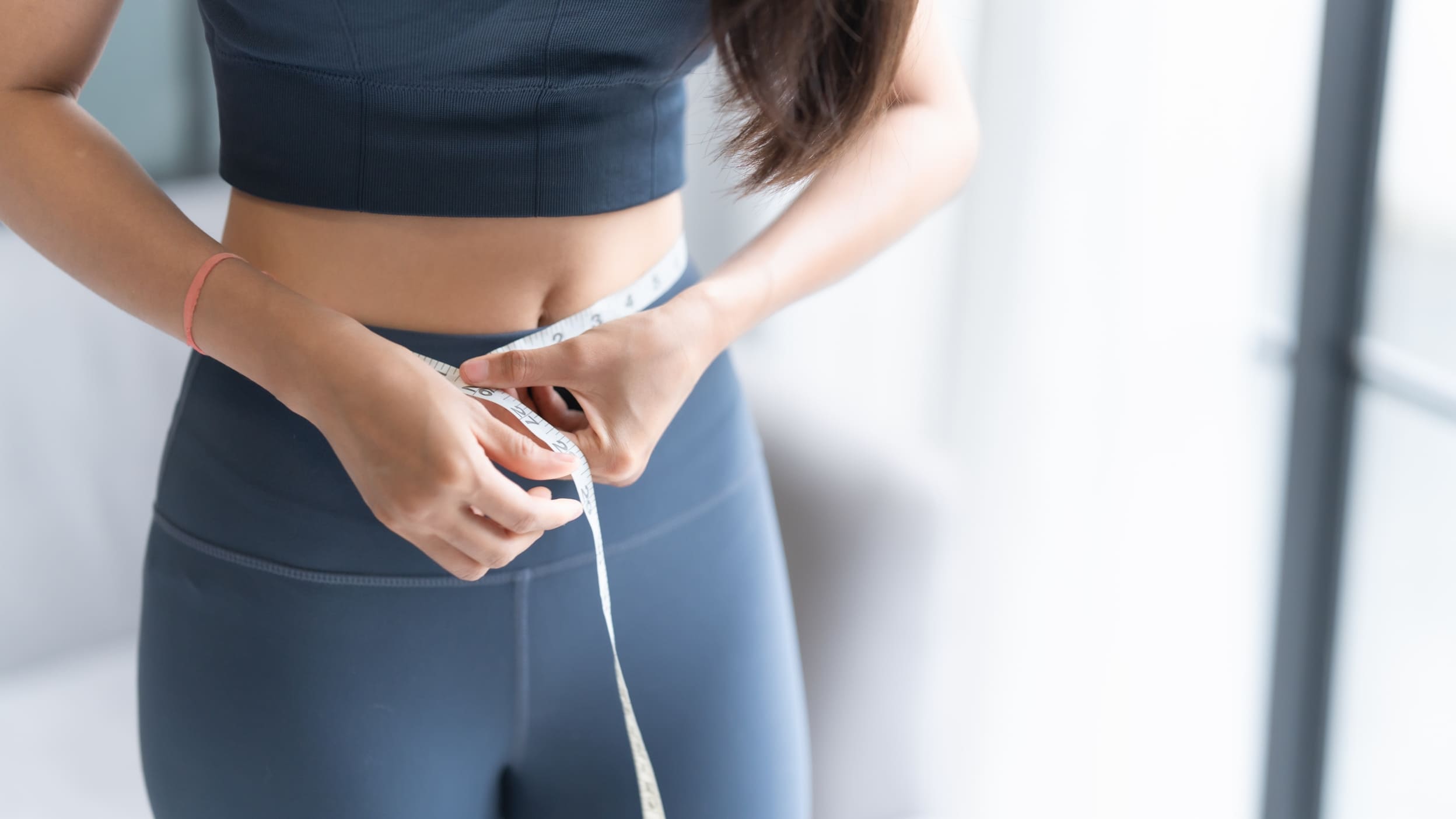
Grab a soft tape measure and track changes in your waist, hips, arms, and thighs every month. I’ve often seen women lose inches even when their weight didn’t budge. These small, steady shifts tell the real story of your transformation.
Confidence and Posture
I noticed a huge change in how I carried myself after a few months of consistent strength training. My shoulders sat higher, my core felt stronger, and I looked more confident because I felt more capable.
Those are the progress markers that matter most.
Strength, Mobility, and Endurance Tests That Matter
If you love structure like I do, creating a few go to tests can be a great way to track tangible progress. You don’t need special equipment or a gym membership.
Strength Tests
- Count how many bodyweight squats, push ups, or pull ups you can do in one minute
- Track how much you can deadlift or bench press and note how your form improves
- Record how many reps you can do before hitting fatigue
Endurance Tests
- Measure how long it takes you to complete a one mile run
- Track how quickly your heart rate returns to normal after an intense cardio workout
- Repeat the same circuit workout once a month and compare your time
Mobility Tests
- Try a deep squat hold for 30 seconds and notice how stable you feel
- Test your ability to clasp your hands behind your back or rotate your hips with control
- Track how comfortable you feel in yoga poses that used to feel difficult
When you revisit these tests every few months, you’ll see progress that has nothing to do with your weight but everything to do with your strength and stamina.
The Power of Photos, Journals, and Data
I used to avoid progress photos because they made me feel exposed. But when I finally committed to taking them every month, I realized how powerful they were. I could see subtle changes that the mirror missed: firmer muscle tone, better posture, more confidence in my stance.
Photos tell a story that numbers never will. I now pair them with journaling to track my workouts, energy, and mood. It’s incredible how much you can learn by writing down what’s working and what’s not.
I also keep a simple spreadsheet as my personal female fitness workout routine progress tracker. It includes exercises, sets, reps, and how I felt each day. Over time, those notes become a map of your growth. They show patterns that explain plateaus and help you adjust before frustration sets in.
If you’re someone who thrives on visual motivation, pairing data with journaling will make your progress impossible to ignore.
How to Build a Personal Progress Tracker
Creating your own progress tracker doesn’t have to be complicated.
Here’s what I include in mine to measure everything that truly matters:
| Category | Tracking Method | Why It Matters |
| Body Measurements | Tape measure once a month | Shows fat loss and muscle gain |
| Progress Photos | Same lighting, same outfit | Visual proof of change |
| Workout Performance | Record weights, reps, and distance | Measures capability and growth |
| Energy Levels | 1–10 daily rating | Reflects recovery and nutrition |
| Mood and Motivation | Quick journal entry | Links emotional well being to fitness |
| Sleep and Recovery | Track hours and quality | Indicates how well your body adapts |
I fill this out weekly. It keeps me accountable and gives me perspective when progress feels slow. Sometimes, the biggest improvements happen in energy or mood long before they show up physically.
Building a tracker that includes both physical and mental metrics reminds you that fitness is about the full picture of health, not just aesthetics.
FAQs About Measure Real Female Fitness Progress
Q: How do I know if I’m getting fitter if my weight doesn’t change?
If your workouts feel easier, your recovery is faster, or your clothes fit better, that’s proof you’re improving. Weight might stay the same because muscle gain offsets fat loss, but your body composition is changing for the better.
Q: How can I measure body changes without weighing myself?
Track your body measurements, take monthly photos, and log your workout progress. These methods reveal consistent improvement without the emotional ups and downs of daily weighing.
Q: Why do I look slimmer but weigh the same?
You’re probably building lean muscle while losing fat. Muscle is denser than fat, which means it takes up less space in the body. You can look smaller and stronger even if your weight doesn’t move.
Q: How long does it take to see results from strength training?
Most women notice subtle changes in strength and energy within three to four weeks and visible changes in eight to twelve. The key is consistency, balanced nutrition, and proper rest.
Final Thoughts
Learning how to measure real progress without a scale completely changed how I see fitness. The moment I stopped chasing a number, I began noticing the real results stronger lifts, better sleep, clearer skin, and more confidence.
Now, I don’t let a scale dictate my worth or my progress. I let my body’s performance, energy, and mindset tell the story. I celebrate small victories, like running a mile faster or lifting heavier than last month, because those are the milestones that truly matter.
Every woman deserves to feel proud of her progress, regardless of what the scale says. Fitness is about becoming powerful, capable, and connected to your body. It’s about how you feel, not just how you look.
So the next time you’re tempted to step on the scale, remember this: the most important progress happens on the inside long before it shows up on the outside. Focus on your strength, your endurance, and your confidence. That’s the kind of progress no number can define.