Table of Contents
When I first started lifting weights, I assumed progress was all about training hard and being consistent. I tracked my sets, pushed myself, and rarely skipped a session. But something wasn’t clicking. I was tired, sore, and stuck in a frustrating plateau.
It wasn’t my training program holding me back. It was my meal timing.
I used to think eating healthy was enough. I didn’t realize that when I ate mattered almost as much as what I ate. On days when I fueled properly before my workouts, I lifted heavier and felt incredible. On the days I didn’t, I hit a wall halfway through.
That realization changed everything. When I started focusing on female fitness meal timing for stronger lifts, my energy, recovery, and confidence improved more than I thought possible.
Why Meal Timing Matters More Than Most Women Realize
For women, nutrition isn’t just about calories or macros. It’s also about aligning meals with the body’s hormonal rhythm and energy cycles. I didn’t realize how much this mattered until I started tracking my training performance throughout the month.
When I fueled my body well, everything worked better. My focus sharpened, my endurance improved, and I could train without feeling drained. When I didn’t, I felt sluggish, distracted, and constantly hungry.
Estrogen and progesterone play a huge role in how women use energy. During the first half of the cycle, estrogen helps the body use carbohydrates efficiently, which makes it an ideal time to lift heavier. In the second half, progesterone rises, and we rely slightly more on fats for fuel.
When I learned to work with these patterns instead of against them, my performance became more consistent. My body finally felt supported, not stressed.
Meal timing isn’t about strict rules. It’s about giving your body reliable energy so you can perform your best without crashes or burnout.
What to Eat Before Lifting for Strength and Energy
The right pre workout meal is like flipping on a switch for performance. For years, I ignored this, thinking I didn’t need to eat before training. I was wrong.
The best pre-workout meal includes carbohydrates, protein, and a small amount of fat. Carbs provide quick energy, protein protects muscle, and a little fat keeps energy levels steady.
Here’s what I aim for before a workout:
- Carbohydrates: 30 to 50 grams from oatmeal, banana, or rice cakes.
- Protein: 15 to 25 grams from Greek yogurt, eggs, or protein powder.
- Fats: 5 to 10 grams from nut butter, avocado, or chia seeds.
Too much fat before training slows digestion, while skipping carbs can make you hit a wall mid-session. When I find the right balance, I can feel it. My lifts feel smoother, my recovery starts faster, and I walk out of the gym with energy to spare.
How Long Before a Workout Should You Eat
This was one of the hardest lessons for me to learn. Some people swear by fasted workouts, but I never performed well that way. My best results came when I ate about 60 to 90 minutes before training.
That window gives my body time to digest without feeling weighed down. For early mornings, I eat something small and quick. For afternoon sessions, I plan a full meal.
Here’s what timing typically looks like for me:
| Time Before Workout | Example Meal | Why It Works |
| 2–3 hours | Chicken, rice, and vegetables | Perfect for afternoon sessions |
| 1 hour | Greek yogurt with oats and berries | Balanced and light |
| 30 minutes | Banana with protein shake | Ideal for early training |
If you ever feel bloated or tired during workouts, look at your meal timing first. Once I spaced my meals properly, I noticed an immediate difference in stamina and strength.
My Go-To Pre-Workout Meals for Stronger Lifts
After years of trial and error, I’ve found a few pre workout meals that always deliver. These are my favorites for energy, strength, and focus:
- Banana with protein shake for fast, easy energy.
- Oatmeal with berries and protein powder when I need endurance.
- Rice cakes with peanut butter and honey for quick carbs and sustained fuel.
- Eggs with sourdough toast and fruit for slower mornings.
The goal isn’t to follow a perfect formula. It’s to find foods that make you feel your best. When I stopped forcing myself to eat what others recommended and started eating what worked for me, my consistency skyrocketed.
Post-Workout Nutrition The Real Recovery Phase
If pre workout nutrition sets the stage, post workout meals are the finale. This is when your muscles rebuild, your glycogen refills, and your recovery truly begins.
I make sure to eat within 30 to 60 minutes after lifting. My focus is simple: protein for muscle repair and carbs for replenishment.
Here are a few meals that always help me recover faster:
- Smoothie: Banana, oats, protein powder, and spinach.
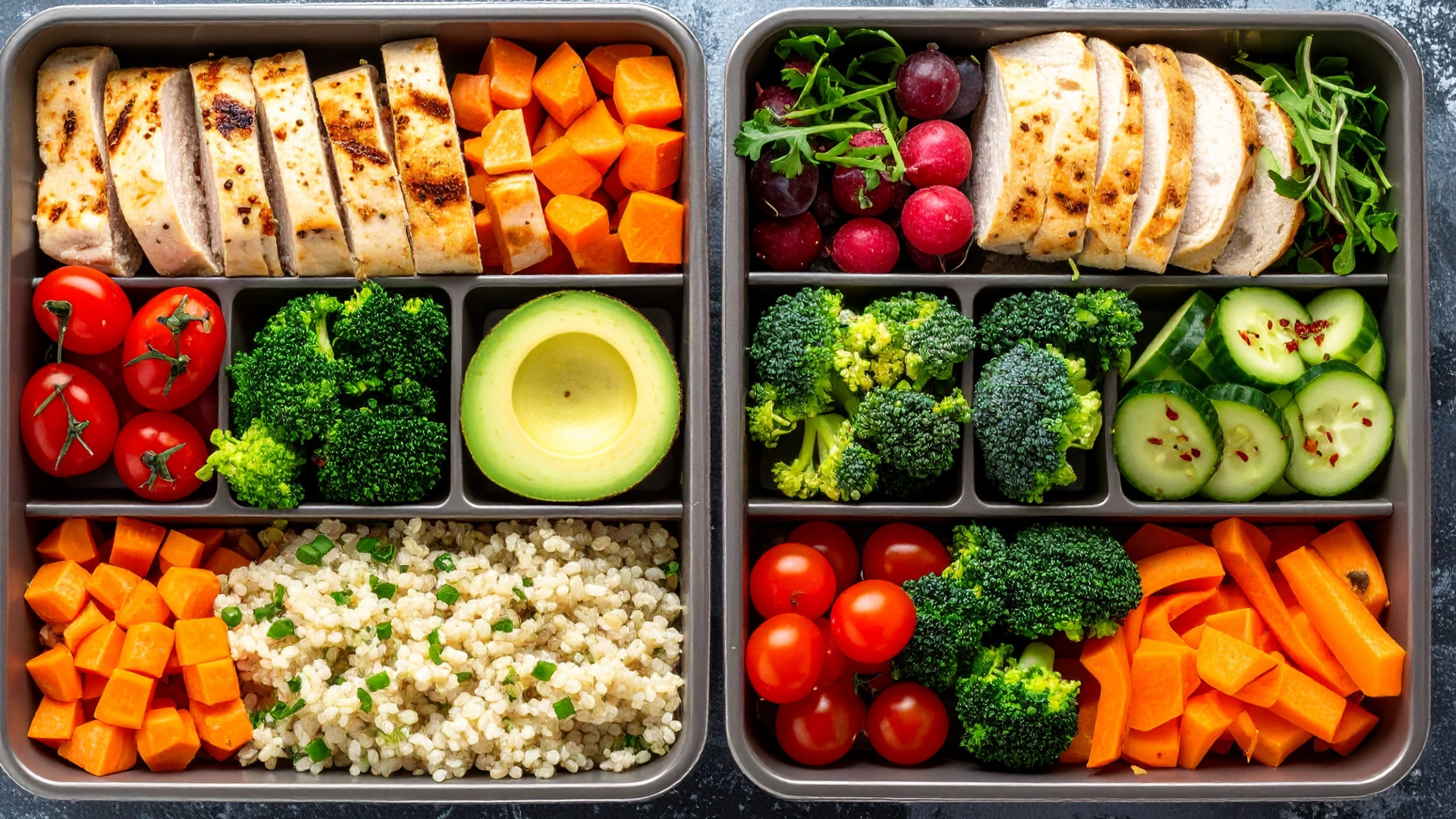
- Meal: Chicken, quinoa, and vegetables with olive oil.
- Snack: Rice cakes with cottage cheese and berries.
Post-workout nutrition made the biggest difference in my recovery. I used to skip it or delay eating, thinking it didn’t matter. Once I started prioritizing it, my soreness went down, and my strength improved week after week.
Common Female Fitness Meal Timing Mistakes
When I began coaching women, I noticed we all made the same mistakes at some point. I’ve made every one of these myself.
- Training fasted too often
Fasted workouts can work occasionally, but doing them regularly can lead to fatigue and hormonal stress. Fuel helps you perform better and recover faster. - Skipping post-workout meals
Waiting too long to eat after training slows recovery and increases cravings later. Your muscles are hungry for nutrients, so feed them. - Eating too little
Many women underestimate how much food strength training requires. You can’t build muscle or energy from restriction. - Too much caffeine and not enough carbs
Coffee gives a quick boost, but real energy comes from food. Carbs are your body’s preferred training fuel. - Not hydrating properly
Even mild dehydration affects strength and endurance. I start my day with a full glass of water before anything else.
When I corrected these mistakes, everything improved. My training felt smoother, my energy more consistent, and my recovery faster.
How Hormones Influence Strength Nutrition
The more I learned about my body, the more I realized how much my hormones affect my energy, hunger, and recovery. Understanding this changed everything for me.
During the follicular phase, estrogen levels rise. I feel stronger and more energetic, and I handle carbs really well. This is when I lift heavier, eat more complex carbs, and push my limits.
During the luteal phase, progesterone increases. I often feel hungrier, more tired, and a bit bloated. This is when I increase my healthy fats and prioritize rest and recovery foods like salmon, avocado, and dark chocolate.
I used to beat myself up for low energy days, but once I understood this natural rhythm, I stopped fighting it. Now I train with my body instead of against it.
This shift not only improved my physical strength but also gave me a deeper sense of connection and trust with my body.
FAQs
1. Should women eat before or after strength training
Both. Eating before helps with energy and performance, while eating after supports recovery and muscle repair.
2. How long before a workout should women eat
Most women perform best when eating 60 to 90 minutes before training. If you train early, a small snack 30 minutes before works well.
3. What should I eat after a workout to build strength
A combination of protein and carbs works best. Try a smoothie with oats and berries, eggs with rice, or Greek yogurt with fruit.
Final Thoughts
If I could tell my younger self one thing, it would be that what and when you eat matters just as much as how you train.
When I started paying attention to female fitness meal timing for stronger lifts, my workouts completely changed. My energy became stable, my recovery improved, and my body finally started responding.
I used to see nutrition as an afterthought. Now, I see it as an extension of training. Every meal, every snack, every bit of planning is a small act of commitment to feeling my best.
Meal timing taught me balance. It taught me that progress doesn’t come from restriction but from rhythm. When you fuel your body at the right times, you stop fighting it and start working with it.
If you’ve been stuck, tired, or unsure why your strength isn’t improving, start here. Track your meals, experiment with timing, and listen to your body. The smallest changes can unlock the biggest results.
Now, I treat each pre-workout meal like preparation and every post-workout meal like a reward. And honestly, that mindset shift alone made me stronger both inside and outside the gym.