Table of Contents
When I first started getting serious about fitness, I thought calories were everything. If I burned more than I ate, I believed I was winning. For a while, it worked. Female fitness meal pattern for stable energy by cycle phase I was lean, disciplined, and proud of my progress. But over time, something shifted.
I started feeling tired all the time. My workouts lost their spark, my focus at work faded halfway through the day, and I found myself craving sugar constantly. I thought maybe I needed more coffee or more willpower, but the truth was simple: I was under-fueled.
The irony is that I was eating healthy, but not eating enough or not eating right for my body’s energy needs. Once I began eating for steady energy instead of control, everything changed. My workouts improved, my mood stabilized, and my body finally started responding in a sustainable way.
Energy is the foundation of everything. Without it, no amount of discipline can carry you through.
The Turning Point: When I Realized My Diet Was Failing Me
The wake up call came during a workout I’d done a hundred times before. I was halfway through a set of squats when I suddenly felt dizzy. My body was shaking, my vision blurred slightly, and I had to stop. I wasn’t weak. I was empty.
That day, I looked back at what I’d eaten. A protein shake for breakfast, a salad for lunch, and a handful of almonds for a snack. No wonder I had no fuel left in the tank. My body wasn’t getting what it needed.
For years, I’d been eating for aesthetics, not for energy. I was following a plan that looked good on paper but felt terrible in real life. Once I shifted my mindset to fueling my workouts and supporting my hormones, I noticed a difference in just a few days.
I stopped crashing in the afternoon. My sleep improved. My strength increased. That’s when I knew I was onto something deeper than a diet it was a complete energy strategy.
What a Female Fitness Meal Pattern Really Looks Like
A female fitness meal pattern isn’t about strict dieting. It’s about building consistency, balance, and rhythm. Women’s bodies thrive on stability, not extremes.
What most people don’t realize is that eating irregularly or skipping meals can trigger stress hormones that drain energy and slow recovery. When I started eating in a pattern that aligned with my daily activity, my energy became stable and predictable.
Here’s what I’ve learned works best:
- Eat every three to four hours to prevent blood sugar drops.
- Include all macronutrients in every meal protein, complex carbs, and healthy fats.
- Stay hydrated throughout the day, not just during workouts.
- Adjust portions based on training intensity and hormonal phase.
- Focus on quality, not restriction.
The goal isn’t perfection. It’s nourishment and consistency. Once you understand your body’s rhythm, food becomes your ally, not your stressor.
How to Structure Meals for Consistent Energy
Most women I coach make the same mistake I used to they eat healthy but not strategically. You can have all the right foods, but if you eat them at the wrong times or in the wrong combinations, your energy still crashes.
Here’s how I structure my meals for steady energy and focus.
Morning (7–9 AM):
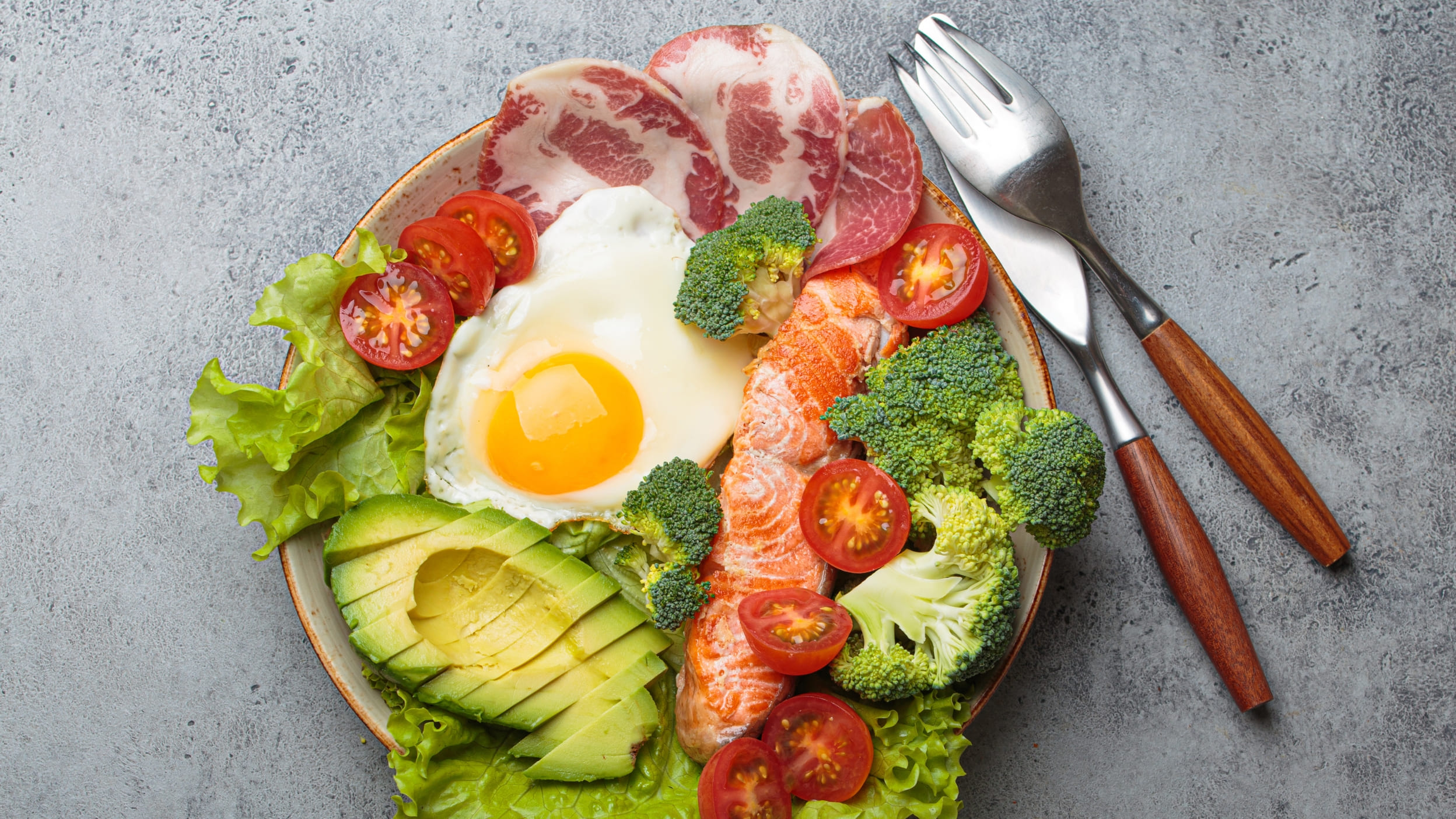
Breakfast should set the tone for the day. A good balance of protein, healthy fats, and complex carbs prevents energy dips later. My go-to options are oatmeal with almond butter and berries or eggs with avocado toast. These meals fuel my brain and muscles while keeping me satisfied until lunch.
Midday (12–2 PM):
Lunch is where many women go wrong. Skipping it or eating too light can destroy afternoon energy. I aim for a balanced meal with lean protein, colorful vegetables, and complex carbs like quinoa or sweet potatoes. This combination keeps my blood sugar stable and prevents the 3 p.m. slump.
Pre-Workout (60–90 minutes before training):
A small meal or snack rich in carbs and moderate in protein helps me train harder. I like a banana with peanut butter or rice cakes with turkey slices. It’s enough fuel without feeling heavy.
Post-Workout (within 45 minutes):
This is when recovery starts. I usually have a smoothie with protein powder, oats, and fruit or a full meal with chicken and rice. It replenishes glycogen stores and helps repair muscles.
Evening (6–8 PM):
Dinner should be lighter but nourishing. I like salmon or tofu with roasted vegetables and a bit of complex carbs like lentils or sweet potatoes. It supports recovery and helps me relax before bed.
Snacks (as needed):
When I need an energy boost between meals, I reach for nuts, Greek yogurt, or fruit with nut butter. These keep my energy stable and prevent cravings later.
This structure helps me perform at my best while keeping my energy consistent from sunrise to sunset.
The Role of Hormones in Female Nutrition and Energy
Understanding hormones changed everything for me. Women’s bodies fluctuate through different energy needs across the month, and ignoring that cycle leads to unnecessary fatigue.
During the follicular phase (days 1–14), estrogen rises. This is when I feel naturally more energetic and motivated. My workouts are stronger, and my body handles carbohydrates well. I focus on lean proteins, fiber, and slightly higher carbs to match that energy.
During ovulation, energy peaks. I drink more water, eat more electrolytes, and fuel with balanced meals to sustain that burst.
In the luteal phase (days 15–28), progesterone increases, and energy often dips. This is when I prioritize grounding foods complex carbs, omega-rich fats, and magnesium sources like leafy greens and seeds. These keep my mood stable and prevent cravings from taking over.
Learning to align my meal pattern with my cycle was a game changer. I stopped forcing my body into rigid eating schedules and started syncing with its natural rhythm. The result was fewer crashes, better workouts, and steadier energy all month long.
My Sample Female Fitness Meal Pattern
To make this practical, here’s what one of my real-life days looks like when I’m focused on consistent energy and recovery.
| Time | Meal | Example | Why It Works |
| 7:30 AM | Breakfast | Protein oats with almond butter, chia seeds, and berries | Combines carbs, protein, and fats for lasting morning energy |
| 10:30 AM | Snack | Greek yogurt with walnuts and honey | Keeps blood sugar stable and reduces cravings |
| 1:00 PM | Lunch | Grilled chicken, quinoa, spinach, and olive oil | Complete macro balance for steady focus |
| 4:00 PM | Snack | Apple with peanut butter or protein smoothie | Prepares my body for evening training |
| 6:30 PM | Dinner | Baked salmon, roasted sweet potato, and broccoli | Anti-inflammatory and recovery-focused |
| 8:30 PM | Optional | Herbal tea or handful of almonds | Helps me unwind and supports sleep quality |
This plan isn’t strict it’s flexible. Some days I swap foods or change timing, but the balance remains the same. The goal is to fuel, not restrict.
Energy-Boosting Foods Every Woman Should Include
Certain foods have become staples in my diet because they genuinely make a difference in my energy and performance.
- Oats and quinoa: Complex carbs that release energy slowly.
- Avocados: Healthy fats that balance hormones and enhance satiety.
- Eggs: High in protein and B vitamins that boost metabolism.
- Leafy greens: Provide iron and magnesium for steady energy production.
- Salmon and tuna: Omega-3 fats that fight inflammation and aid recovery.
- Nuts and seeds: Great sources of healthy fats and minerals for brain and muscle function.
- Sweet potatoes: Slow-releasing carbs that stabilize blood sugar.
- Berries: Antioxidants that support recovery and reduce fatigue.
These foods not only fuel my workouts but also help me stay mentally sharp and emotionally balanced.
Female Fitness Meal Prep Tips for Real Life
Meal prep doesn’t have to take over your weekend. I’ve learned to keep it simple and realistic so it actually fits into my lifestyle.
Here’s how I make it work:
- Prep ingredients instead of meals. I cook a batch of protein, roast veggies, and make a pot of grains. That way, I can mix and match all week.
- Keep staples on hand. Eggs, oats, yogurt, and frozen vegetables save time when life gets busy.
- Plan snacks. Most women lose energy because they skip small meals. I prep quick options like trail mix or sliced fruit with nut butter.
- Stay flexible. Some days don’t go as planned, and that’s okay. Instead of starting over, I simply adjust the next meal.
Meal prep is about support, not perfection. It’s one of the simplest ways to protect your energy and stay consistent.
FAQs
What is the best female fitness meal pattern for steady energy?
Eat balanced meals every three to four hours that include protein, complex carbs, and healthy fats. Avoid long gaps between meals to prevent blood sugar crashes.
How do I avoid afternoon fatigue during the workday?
Eat a balanced lunch with complex carbs and protein, stay hydrated, and have a small snack like nuts or yogurt in the afternoon to sustain focus.
What should I eat before and after workouts?
Before workouts, eat light carbs and moderate protein, like a banana with peanut butter. After workouts, focus on protein and carbs to replenish energy and aid muscle recovery.
Final Thoughts
When I finally learned to eat for energy instead of control, everything about my fitness journey changed. My workouts became stronger, my focus sharper, and my moods steadier.
I no longer chase diets or trends. I eat to feel alive, balanced, and capable. The female fitness meal pattern I follow now isn’t a plan it’s a lifestyle built on self-respect and awareness.
If you’re constantly tired or frustrated with your progress, take a closer look at your energy, not just your effort. Start nourishing yourself consistently and watch how your strength, mindset, and performance transform.
Food isn’t the enemy. It’s the foundation. When you fuel your body with intention and balance, steady energy becomes your new normal.
That’s the power of a sustainable female fitness meal pattern it doesn’t just feed your body. It fuels your life.