Table of Contents
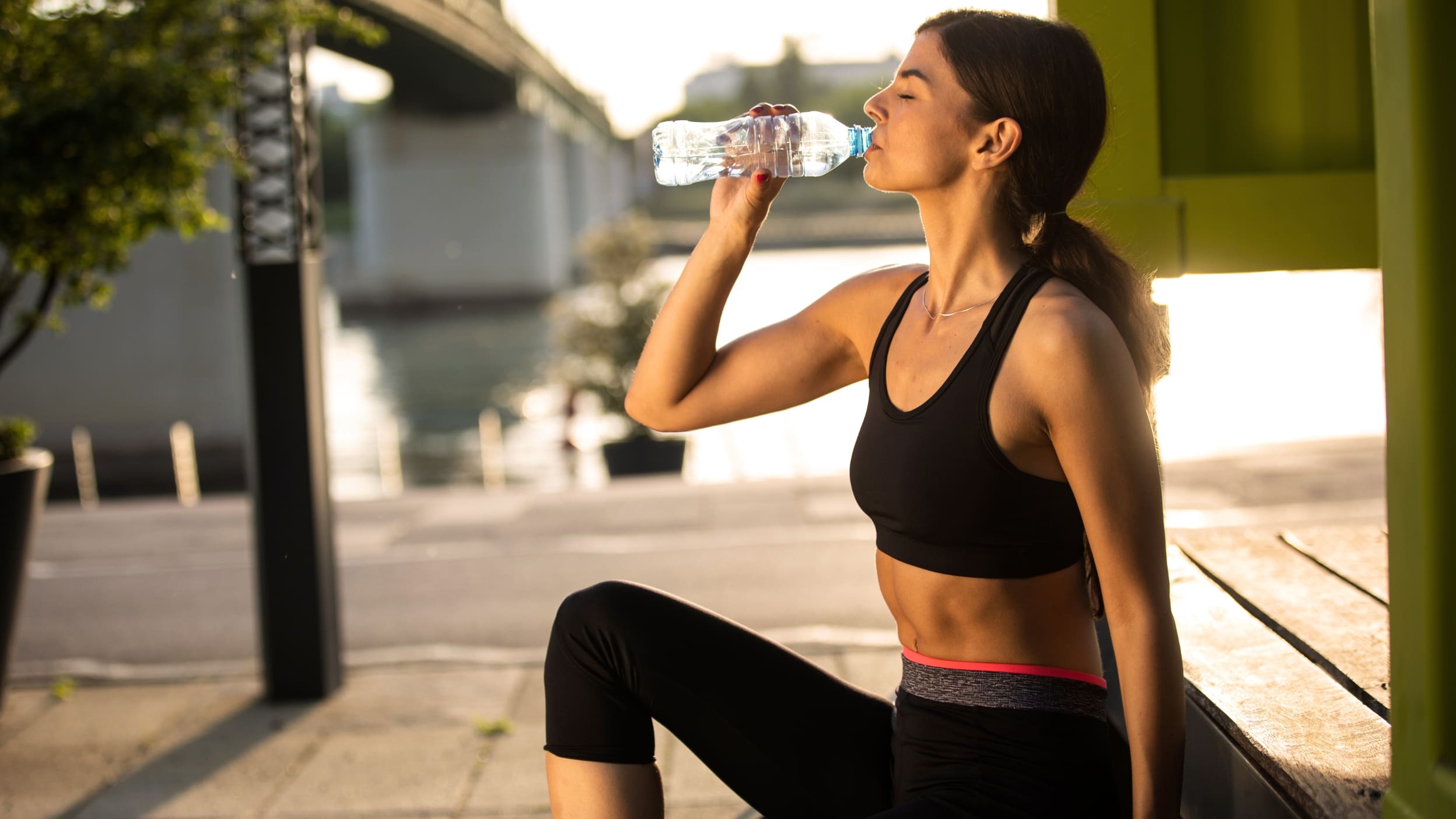
When I first started training, I assumed drinking water was simple. Just fill a bottle, sip throughout the day, and call it done. I didn’t think much about how or when I drank. But the more I trained, the more I noticed something wasn’t right. Female fitness hydration ratio that women need. I’d get lightheaded halfway through workouts, my recovery felt slow, and my energy was inconsistent.
I thought maybe I wasn’t eating enough or pushing too hard, but the real issue was hydration. I was drinking water, but I wasn’t hydrating efficiently.
What most women don’t realize is that our hydration needs are unique. Our hormones, muscle composition, and even how we sweat differ from men. The way our bodies retain or lose water changes throughout the month.
Once I understood this, I stopped treating hydration like a side note and started treating it like a key part of my training plan. It made a dramatic difference. I felt lighter, more energized, and less sore. My skin even looked better.
Hydration isn’t just about drinking more water. It’s about giving your body what it needs to perform, recover, and thrive, especially as a woman.
What the Female Fitness Hydration Ratio Really Means
So what exactly is the female fitness hydration ratio? It’s not just a number. It’s a guideline for how much water and electrolytes your body needs based on your weight, activity, and cycle.
In my experience, this ratio isn’t one-size-fits-all. It’s personal. But here’s a reliable place to start:
- Before workouts: 250 to 500 ml (1 to 2 cups) of water about 30 to 60 minutes before training
- During workouts: 150 to 250 ml (half to one cup) every 15 to 20 minutes
- After workouts: 500 to 750 ml (2 to 3 cups) with electrolytes or minerals
For everyday hydration, I use this rule of thumb: drink about 30 to 35 ml per kilogram of body weight daily, then add another 500 to 1,000 ml on active days or during the luteal phase of your cycle.
This approach keeps me balanced without overhydrating. It’s not just about how much you drink but how your body absorbs it. When I started paying attention to both the quantity and timing, my workouts became smoother, my concentration improved, and those mid-session energy crashes stopped happening.
How I Discovered the Importance of Hydration Timing
There was a time when I believed drinking water was all about quantity. I used to chug an entire bottle right before training, thinking I was setting myself up for success. But what actually happened was the opposite. I’d feel bloated, sluggish, and end up needing a bathroom break halfway through my warm-up.
Then one day, after a particularly exhausting session, I realized something simple but powerful: hydration isn’t just what you drink, it’s when you drink it.
I started experimenting with my timing. I drank small amounts more frequently instead of large amounts all at once. Before workouts, I’d sip water slowly over an hour. During my sessions, I’d take measured sips instead of gulps. Afterward, I’d rehydrate intentionally with electrolytes instead of plain water.
That small shift changed everything. My endurance went up. I stopped feeling dizzy after long sets. And I finally noticed my muscles recovering faster.
Proper hydration timing allows your body to absorb what it needs when it needs it. Think of it like fueling your car gradually rather than dumping in too much at once. It’s not glamorous, but it works every single time.
The Hidden Signs of Dehydration During Workouts
One of the biggest lessons I’ve learned through years of training is that dehydration doesn’t always look obvious. Most women think being thirsty is the only sign, but it’s much subtler than that.
I used to ignore small warning signs because I didn’t connect them to hydration. But now I know better. Here are the signals I’ve learned to watch for:
- A sudden drop in strength or stamina mid-workout
- Headaches, dizziness, or foggy thinking
- Tight muscles or cramps that don’t go away with stretching
- An unusually high heart rate for the same intensity
- Feeling sluggish or unmotivated even before training
Sometimes you can drink plenty of water and still feel off because you’re missing electrolytes. Women often lose more sodium in sweat compared to men, and without replacing it, fatigue and brain fog hit fast.
Now, I pay attention to the color of my urine (light yellow means hydrated) and to how I feel during training. If I catch dehydration early, I can fix it before it derails my workout.
How Hormones Affect Hydration and Performance
One thing I wish I had learned earlier is how much my menstrual cycle impacts hydration. For years, I couldn’t figure out why my performance felt amazing one week and unpredictable the next.
During the follicular phase, estrogen helps your body retain water better. I usually feel lighter, faster, and more focused during this time. My body uses fluids efficiently, and I can handle longer, more intense sessions.
But when the luteal phase kicks in, everything shifts. Progesterone levels rise, which increases body temperature and fluid loss. That’s when I start feeling puffy, thirsty, or bloated, sometimes all at once. It’s not that I’m overhydrated, it’s that my body is struggling to balance water and electrolytes.
When I started increasing my intake by about 500 ml daily during this phase and added a bit more sodium and magnesium, the difference was incredible. My bloating reduced, and my energy stayed steady.
Understanding this hormonal rhythm changed how I planned my hydration. It’s not just about drinking more water, it’s about syncing with your cycle so your body stays in balance naturally.
The Right Way to Rehydrate Before, During, and After Exercise
I used to drink reactively, when I was already thirsty, tired, or dizzy. That approach always left me playing catch-up. Once I learned to hydrate proactively, my performance and recovery skyrocketed.
Here’s how I manage it now:
Before Training
- I drink 250 to 500 ml of water about 45 minutes before my session
- I add a pinch of Himalayan salt or a clean electrolyte mix
- I avoid drinking large amounts right before starting, which helps me avoid bloating or side cramps
During Training
- I sip 150 to 250 ml every 15 to 20 minutes, depending on how intense or hot it is
- If I’m training longer than an hour, I mix in electrolytes
- I also pay attention to my body’s cues, thirst, fatigue, or tension are signals I need fluids
After Training
- I rehydrate with 500 to 750 ml of water within 30 minutes
- I often mix in coconut water, magnesium powder, or a pinch of pink salt
- I pair that with a small protein snack to support muscle repair
Hydration is about more than just replacing sweat. It’s about restoring balance. When I treat post-workout hydration with the same care as pre-workout fuel, my recovery is smoother, and soreness doesn’t linger as long.
Electrolytes : What Women Actually Need
For a long time, I avoided electrolyte drinks because I assumed they were just sugary marketing gimmicks. I couldn’t have been more wrong. Once I understood the science behind them, I realized how essential they are, especially for women.
Electrolytes are the minerals that help your body absorb and retain water. The key players are sodium, potassium, magnesium, and calcium. When you sweat, you lose them, and plain water can’t replace them.
Here’s what I focus on:
- Sodium: Keeps muscles firing and prevents lightheadedness
- Potassium: Balances blood pressure and prevents cramping
- Magnesium: Aids recovery and improves sleep
- Calcium: Supports muscle contractions and endurance
My favorite hydration combo is simple: water, lemon juice, a pinch of salt, and a drizzle of honey. For longer training days, I’ll use an unsweetened electrolyte powder.
Once I started replacing minerals consistently, I noticed my workouts felt steadier, my recovery was faster, and I didn’t crave salty snacks afterward.
Common Hydration Mistakes I See Women Make
Over the years, I’ve trained and coached many women, and nearly all of them make the same hydration mistakes I once did. Here are the biggest ones and how to fix them.
1. Drinking Too Much Water Without Minerals
This is one of the most common issues. Overhydrating with plain water can actually flush out electrolytes, leaving you tired or dizzy. Add trace minerals or a pinch of salt to balance it.
2. Only Drinking When Thirsty
If you’re thirsty, you’re already dehydrated. Make hydration a habit throughout the day instead of waiting until your body sounds the alarm.
3. Forgetting to Hydrate Before Exercise
Many women start their workout already behind on fluids. Pre-hydration is crucial. Even mild dehydration reduces endurance by up to 20 percent.
4. Relying on Sugary Sports Drinks
Most commercial hydration drinks are loaded with sugar, artificial flavors, and dyes. They spike your blood sugar and crash your energy later. Stick to clean options or make your own.
5. Ignoring How Your Cycle Affects Hydration
Your hydration needs shift with your hormones. Track how you feel through each phase, and adjust accordingly. During the luteal phase, you may need more fluids and electrolytes.
Fixing these mistakes completely transformed how I perform. My energy feels stable from warm-up to cool-down, and I rarely experience post-workout fatigue.
How I Adjust My Hydration During Each Cycle Phase
Cycle syncing changed how I train, but it also changed how I hydrate. Here’s how I approach hydration across my four phases:
Menstrual Phase
I keep water steady and gentle. I focus on warm fluids like herbal tea and soups because they soothe cramps and support circulation.
Follicular Phase
This is when I feel my best. My energy is high, so I maintain regular hydration levels, about 2.5 liters a day. I focus on light, clean water with a little lemon.
Ovulatory Phase
I sweat more and train harder during this phase, so I add electrolytes daily. Coconut water or homemade mixes help me stay balanced.
Luteal Phase
This is when I increase water by about 500 ml and focus on magnesium-rich drinks. It keeps my mood and sleep stable while preventing PMS bloating.
Syncing hydration with my cycle not only made workouts more efficient but also reduced PMS symptoms and improved focus. My body feels like it’s finally working with me, not against me.
FAQs
How much water should a woman drink before and after a workout?
Drink 250 to 500 ml about 30 to 60 minutes before exercise and 500 to 750 ml afterward, ideally with electrolytes for better recovery.
Do women need a different hydration plan than men?
Yes. Hormonal fluctuations affect water balance, body temperature, and sodium retention. Women’s hydration needs to shift more throughout the month.
Why do I feel tired or dizzy even when I drink water?
You may be low on electrolytes. Water alone doesn’t restore sodium and potassium, which are essential for energy and muscle function.
What should I drink on hot days or during intense training?
Alternate between water and electrolytes. For long sessions, add coconut water or a homemade mix with salt, lemon, and honey.
How can I tell if I’m dehydrated during workouts?
Watch for fatigue, headaches, or cramps. Your urine should be pale yellow. If it’s darker, drink more fluids gradually.
Final Thoughts
Hydration is one of those things we all think we’re doing right until we actually pay attention. Once I started tracking my water and electrolyte intake with the same consistency I tracked my workouts, everything changed.
I stopped hitting energy walls halfway through training. My recovery felt faster, my skin improved, and my mood stabilized. The female fitness hydration ratio isn’t about chasing perfection. It’s about learning your body’s rhythm and respecting what it needs to perform at its best.
Water alone isn’t enough. Your hormones, activity, and even stress all influence how much and what kind of hydration you need.
What I love most about understanding hydration is that it’s empowering. It’s a reminder that every small, intentional choice adds up. Every sip you take is an act of support for the body that carries you through your goals.
So don’t overcomplicate it. Keep your bottle close, listen to your body, and hydrate with intention. Because once you do, you’ll not only train better, you’ll feel better in every part of your life.