Table of Contents
If you’ve ever found yourself overwhelmed before your period, snapping at small things, or feeling like your thoughts are racing nonstop, you’re not alone. PMS anxiety can feel like a wave that takes over your emotions without warning. Female fitness breath flow that calms pms anxiety
I used to think I was just overly emotional. Then I started tracking my cycle and noticed a clear pattern. The anxiety and restlessness always hit during my luteal phase, right before my period. That’s when estrogen and progesterone levels drop sharply, which affects serotonin, the chemical responsible for calm and happiness.
This hormonal dip explains why we feel tense, irritable, or even panicky before our period. It’s not just mental; it’s physical too. The combination of fluctuating hormones, bloating, and fatigue creates the perfect storm for anxiety.
Once I understood this, I stopped blaming myself for overreacting. I realized my body wasn’t broken. It was communicating. The next step was learning how to listen, and that’s where breath flow came in.
How Breath Flow Became My Go-To Fitness Ritual
I discovered breathwork accidentally during a workout. I remember being halfway through a set of squats when I noticed I was holding my breath. My chest felt tight, my thoughts were racing, and everything felt off. I paused, closed my eyes, and took one long, slow breath. Then another.
That moment changed everything. My body softened, my focus sharpened, and my heart rate steadied. It felt as if I had hit reset on my entire system. From then on, I started exploring how breath could become part of my training, especially during PMS when my anxiety was at its peak.
At first, I only used it before my workouts to calm nerves, but over time, I noticed that breathing intentionally throughout training made me feel grounded and more in control. Even my recovery improved.
Now, breath flow is a key part of my fitness practice. It helps me manage anxiety, balance my energy, and stay connected to my body no matter what part of my cycle I’m in. It’s simple, free, and incredibly powerful.
The Science Behind Breath Flow and Hormonal Balance
Before I began, I thought deep breathing was just a relaxation trend. Then I learned how it actually affects the body.
When we’re stressed or anxious, our breathing becomes shallow and fast. This signals the sympathetic nervous system to stay in fight-or-flight mode. That’s when cortisol, the stress hormone, spikes. During PMS, that spike makes everything feel worse.
Breath flow reverses that process. Slow, controlled breathing activates the parasympathetic nervous system, which helps the body relax. Heart rate slows, blood pressure drops, and oxygen levels rise. That chain reaction lowers cortisol and helps the body restore hormonal balance.
Once I began practicing regularly, I noticed several changes:
- My PMS anxiety became less intense.
- I recovered faster after workouts.
- My sleep quality improved.
- My energy no longer crashed during the luteal phase.
Science backs this up too. Breathing deeply increases oxygen delivery to the brain and muscles, which improves focus and endurance while reducing fatigue. It also helps regulate the body’s natural stress response, supporting overall hormonal health.
It’s amazing how something as basic as breathing, something we do all day without thinking, can become one of the most effective tools for emotional stability and physical strength.
Breathing Techniques That Calm PMS Anxiety Fast
These are the techniques I rely on the most, especially during the days when PMS anxiety tries to take over. They’re simple, effective, and work almost anywhere.
1. Box Breathing (4-4-4-4 Method)
This method instantly calms the nervous system and brings clarity.
- Inhale through your nose for 4 counts.
- Hold your breath for 4 counts.
- Exhale through your mouth for 4 counts.
- Hold again for 4 counts.
Repeat for 3 to 5 minutes.
I usually do this before a workout or anytime I feel that anxious buzz building. It slows everything down and gives me back control of my mind.
2. Diaphragmatic Breathing (Belly Breathing)
This is my go-to when I feel bloated or tense during PMS.
- Sit or lie down comfortably with one hand on your chest and one on your belly.
- Inhale deeply through your nose, letting your belly rise.
- Exhale slowly through your mouth as your belly lowers.
This technique increases oxygen flow, relaxes the diaphragm, and reduces tightness in the chest. Even five minutes of this can shift you from anxious to calm.
3. Extended Exhale Breathing
This one helps when your mind is racing or you can’t sleep.
- Inhale through your nose for 4 counts.
- Exhale through your mouth for 6 or 7 counts.
The extended exhale signals your brain to release tension. I often do this during cool-downs or before bed to reset my nervous system.
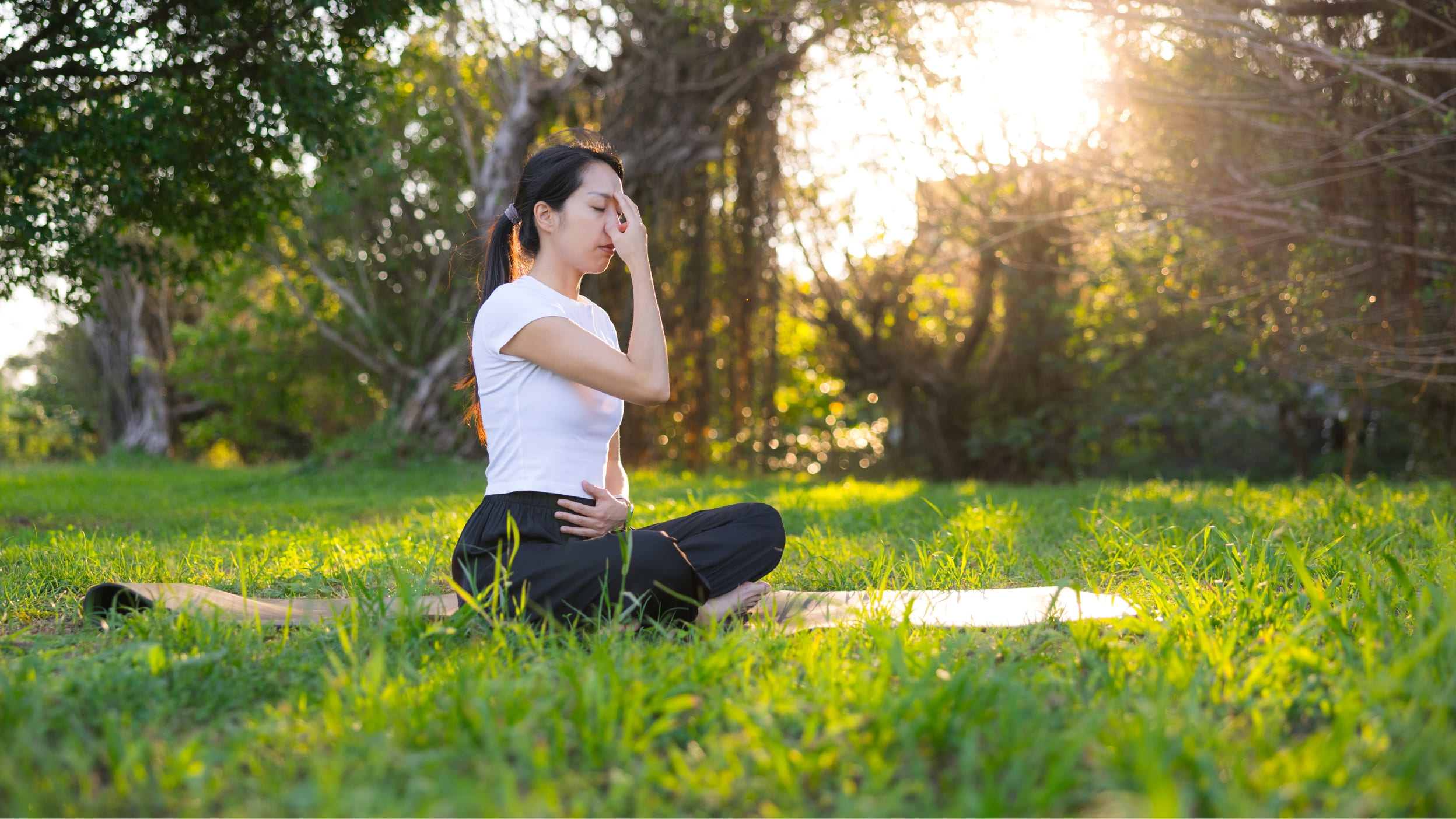
4. Alternate Nostril Breathing (Nadi Shodhana)
I learned this through yoga, but I now use it during PMS to balance my energy.
- Sit tall and close your right nostril with your thumb.
- Inhale through your left nostril.
- Switch and close your left nostril with your finger, exhaling through your right.
- Repeat for several rounds.
It’s calming, grounding, and helps me reconnect to my body when emotions feel chaotic.
How to Integrate Breath Flow into Your Fitness Routine
Breath flow fits easily into any workout. You don’t need to carve out extra time or make it complicated.
Before Your Workout
Spend 2 to 3 minutes practicing box breathing. It prepares your mind for focus and brings your body into balance. I’ve noticed that when I start my session this way, I train smarter and feel less rushed.
During Your Workout
I used to hold my breath during lifts or tense up during cardio. Now I focus on breathing with rhythm: inhale on the easier part of the movement, exhale on the effort. For example, inhale as you lower into a squat and exhale as you push up.
This not only improves strength and stability but also prevents anxiety from spiking mid-workout.
After Your Workout
When you finish training, your body is still in high alert mode. Taking 2 to 5 minutes for slow breathing helps activate recovery. I sit quietly, place a hand on my chest, and take long exhales until my heart rate settles.
That post-workout calm has become one of my favorite parts of the day.
Best Times in Your Cycle to Practice Breathwork
Breathwork helps at any time, but I’ve noticed certain techniques work best in specific phases of the cycle.
Menstrual Phase (Days 1–5)
This is when energy is lowest, so I focus on soft belly breathing. It relieves cramps, soothes fatigue, and helps me reconnect with rest.
Follicular Phase (Days 6–13)
My energy rises here, so I use rhythmic breathing to match that upward flow. Box breathing helps me stay focused and ready to train.
Ovulatory Phase (Days 14–16)
This phase brings high energy but also sensitivity. Alternate nostril breathing keeps me balanced and prevents burnout.
Luteal Phase (Days 17–28)
This is the key phase for managing PMS anxiety. I slow everything down with diaphragmatic and extended exhale breathing. The goal here is calm, not intensity.
Once I started aligning my breathwork with my hormonal rhythm, my PMS symptoms became easier to manage. My workouts felt smoother, my moods steadier, and I stopped feeling like I was fighting my body every month.
Common Mistakes Women Make When Using Breathwork
When I first started, I made plenty of mistakes. It’s easy to overlook the details that make breathwork effective.
1. Forcing the Breath
Breathwork isn’t about perfection. Trying too hard to breathe correctly can create more tension. Let your breathing feel natural and relaxed.
2. Only Using It When Stressed
At first, I only practiced when anxiety hit. But the real benefits came when I started doing it daily. Breathwork builds resilience over time, so the calmer response becomes automatic.
3. Forgetting to Pair Breath with Movement
Many women separate breathwork from their workouts. When you sync breath with movement, it amplifies focus, control, and muscle engagement.
4. Skipping Post-Workout Recovery
Ending a workout without calming the nervous system can leave you wired or fatigued. Those two minutes of slow breathing afterward make a big difference in recovery and relaxation.
5. Expecting Instant Results
Breathwork is subtle at first. You may not feel huge changes right away, but over time, the difference becomes undeniable. After a few weeks of consistency, my anxiety levels dropped dramatically, and my PMS symptoms no longer ruled my schedule.
FAQs
How can breathing exercises help reduce PMS anxiety?
They lower cortisol, calm the nervous system, and regulate hormone balance. Consistent breathwork can reduce emotional highs and lows before your period.
Which breathing technique works best for PMS?
Box breathing and belly breathing work wonders. They help me manage mood swings, ease cramps, and maintain steady energy.
How often should I practice breath flow?
Five to ten minutes daily is ideal. You can do short sessions before or after workouts or longer ones during your luteal phase.
Can breathwork balance hormones naturally?
Yes. By reducing chronic stress and improving oxygen circulation, it helps your endocrine system function more efficiently.
Can I do breathwork while exercising?
Absolutely. Sync your breath with your movement. It improves stability, strength, and focus.
Final Thoughts
For years, I treated PMS anxiety as something I just had to suffer through. I’d power through workouts, push myself harder, and pretend everything was fine. But the truth is, my body was asking me to slow down and breathe.
Breath flow became the bridge between my mind and my hormones. It helped me find peace where there used to be tension. Now, my workouts are no longer about pushing to exhaustion. They’re about connection, rhythm, and calm.
When I practice breathing, I don’t just move my body. I regulate my emotions. I give myself space to listen. That’s what has made all the difference.
If you’ve been battling PMS anxiety, start with your breath. Take one slow inhale. Exhale even slower. Feel your shoulders relax. Then do it again. You’ll be amazed at how something so simple can bring so much peace.
When you learn to breathe with your body, not against it, you realize how strong you truly are. And that’s the kind of strength that lasts far beyond the gym.