Table of Contents
A few years ago, I noticed a pattern in my workouts that didn’t make sense. Some weeks, I felt powerful and motivated, hitting new personal bests with ease. Other weeks, I felt sluggish, bloated, and weak, even when I was eating well and sleeping enough. I kept blaming myself, thinking I wasn’t consistent enough until I started tracking my cycle and realized there was a hormonal pattern behind it all.
Then one day, a coach asked me, “Have you ever tracked your cycle?” I laughed it off at first, assuming it was irrelevant to strength training. But when I finally gave it a try, everything changed. Within a couple of months, I saw clear connections between my energy, mood, and menstrual cycle.
My best lifts always landed in the middle of my cycle, while my toughest days came just before my period. It wasn’t my motivation failing me; it was my hormones guiding me. Once I started paying attention to my cycle, I finally understood how to train smarter instead of harder.
Tracking my cycle gave me a sense of control and confidence I’d never felt before. I realized my body wasn’t unpredictable. It was intelligent and cyclical.
What I Learned About Hormones and Strength
The menstrual cycle is like a hidden training schedule built into your biology. For years, I ignored it because I thought fitness was supposed to be the same every week. But women’s bodies don’t work like that. Our hormones fluctuate throughout the month, influencing strength, endurance, and recovery.
Estrogen rises in the first half of your cycle and acts like your natural performance booster. It improves energy, coordination, and recovery. That’s why some weeks you feel unstoppable in the gym. Progesterone, which takes over in the second half of your cycle, has the opposite effect. It can make you feel warmer, more fatigued, and less explosive.
Before I tracked my cycle, I used to force myself through hard workouts during my luteal phase and then wonder why I felt so drained. Once I understood how estrogen and progesterone worked, I began tailoring my training to match my hormones. The results were incredible. I started lifting heavier, recovering faster, and feeling more in tune with my body.
Hormones are not your enemy in fitness. When you learn how they work, they become your greatest advantage.
How Tracking My Cycle Changed My Training
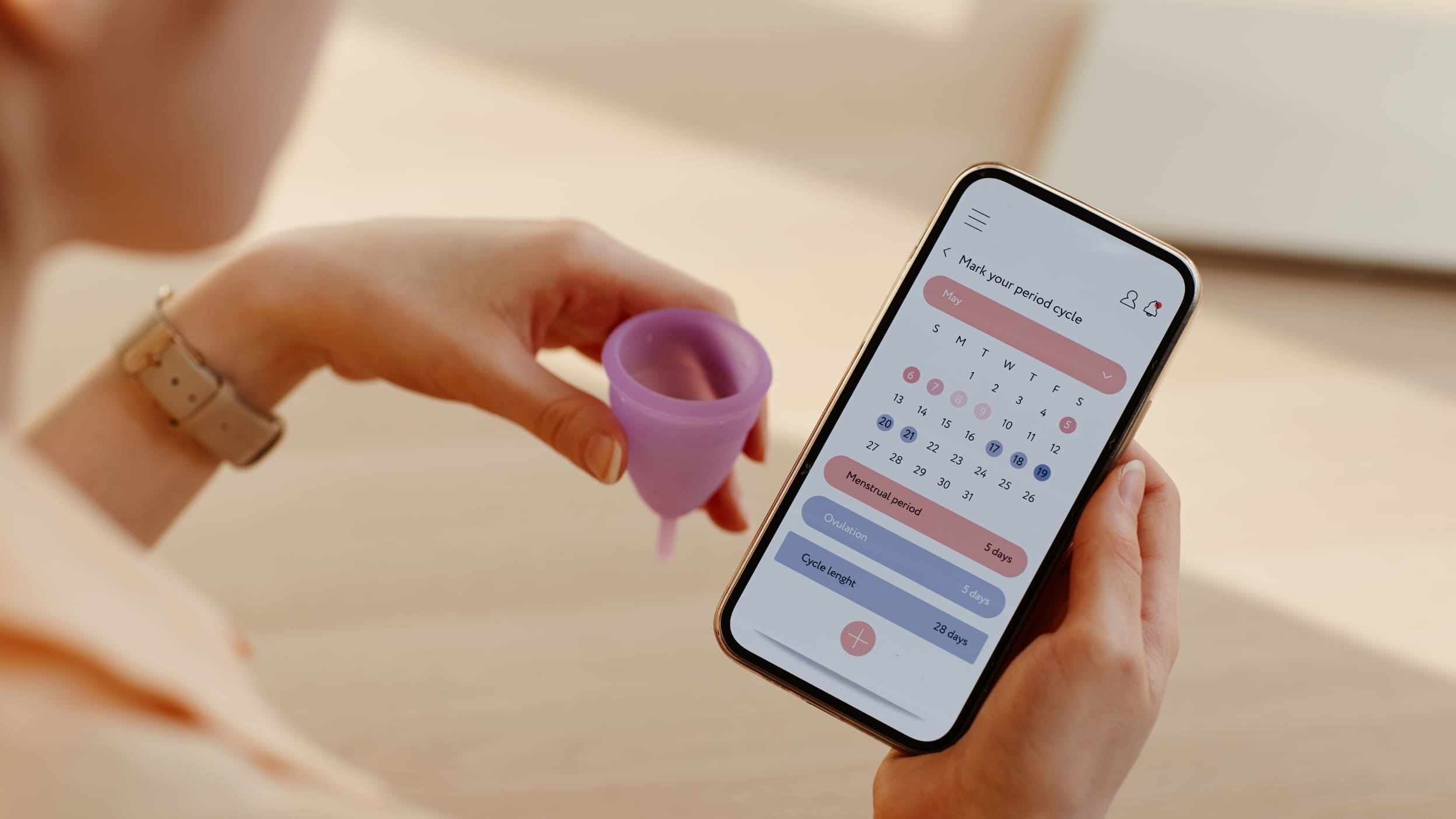
I started simply. I used a cycle tracking app and wrote quick notes about how my workouts felt. Within a few months, I could predict my best training days and my low energy days with surprising accuracy.
The biggest change was how I structured my training weeks. I stopped treating my body like a machine that could handle the same intensity all the time. Instead, I worked in flow with my hormonal phases.
When my energy was high, I used it. When it dropped, I recovered intentionally instead of pushing through. The result was more consistent progress, fewer injuries, and less burnout.
Cycle tracking didn’t just help my performance. It made me more compassionate toward myself. I no longer felt frustrated when I had a low energy day. I learned that resting wasn’t a weakness. It was a strategy.
The Four Phases and How They Affect Performance
Understanding the four main phases of the menstrual cycle is like having a map for your training. Each one influences energy, motivation, and recovery differently.
| Cycle Phase | Main Hormones | Energy and Strength | Best Training Focus |
| Menstrual (Days 1–5) | Low estrogen and progesterone | Lower energy, more fatigue | Restorative movement, yoga, stretching |
| Follicular (Days 6–13) | Rising estrogen | Higher energy, strong recovery | Heavy lifting, HIIT, skill work |
| Ovulatory (Around Day 14) | Peak estrogen and testosterone | Peak strength and coordination | PRs, explosive lifts, sprints |
| Luteal (Days 15–28) | High progesterone | Lower endurance, slower recovery | Moderate strength, mobility, and recovery |
Once I began structuring my training around these phases, everything clicked. I stopped fighting my biology and started leveraging it. During my follicular and ovulatory phases, I scheduled my toughest strength sessions. During my luteal phase, I focused on maintenance and mobility.
The difference wasn’t subtle. I was performing better, recovering faster, and actually enjoying my workouts again.
Adjusting Workouts by Cycle Phase
Menstrual Phase: Rest and Rebuild
During my period, I scale back. My body is working hard internally, so I focus on recovery and gentle movement. Instead of feeling guilty about taking it slow, I view this phase as my reset.
My favorite moves:
- Gentle yoga and mobility work
- Walking outdoors
- Stretching and core stability
- Light foam rolling
Follicular Phase: Go Hard and Lift Heavy
As estrogen rises, so does my energy and motivation. I use this phase to challenge myself, increase weights, and push through new goals. My recovery is faster, and I feel more focused.
My favorite workouts:
- Compound lifts like squats and deadlifts
- Strength circuits
- Plyometric drills and HIIT
- Skill based training or performance drills
Ovulatory Phase: Peak Performance Window
This is when I feel my strongest. My coordination and confidence are at their best, and I take advantage of it. I aim for PRs or more advanced movements during this phase.
My favorite workouts:
- Olympic lifts or power cleans
- Sprint intervals
- Short, explosive workouts
- Partner or group training
Luteal Phase: Slow and Steady
When progesterone peaks, I shift my focus. My endurance drops, so I prioritize recovery and low impact work. I still train, but I reduce volume and intensity.
My favorite workouts:
- Bodyweight training
- Moderate lifting with more reps
- Yoga, pilates, or long walks
- Mobility and breathing exercises
Tuning into these phases helped me find a rhythm. I no longer hit burnout or wonder why my energy randomly dropped. My training became cyclical, just like my body.
What I Eat to Support Strength and Recovery
Nutrition is another part of the puzzle that changed once I started tracking my cycle. I used to eat the same meals year round, but my cravings and needs shifted every few weeks. Once I aligned my nutrition with my cycle, I noticed I felt more balanced and recovered faster.
Menstrual Phase: I focus on iron rich foods like spinach, red meat, and lentils to replenish what I lose. I also add magnesium from dark chocolate and nuts to ease cramps.
Follicular Phase: I crave lighter meals, so I focus on fresh foods like fruits, salads, and lean proteins. My metabolism is efficient, so I fuel my workouts with clean carbs and healthy fats.
Ovulatory Phase: Hydration is crucial during this phase. I drink more water and include anti inflammatory foods like salmon, avocado, and berries to help reduce bloating and inflammation.
Luteal Phase: My body needs more calories here, especially from complex carbs. I add oats, brown rice, and sweet potatoes to help balance mood and stabilize blood sugar. I also satisfy cravings mindfully instead of restricting them.
Adapting my meals this way stabilized my energy and drastically improved my recovery. I no longer crash mid workout or crave sugar constantly before my period.
What Changed When I Started Listening to My Body
Before I tracked my cycle, I measured success by how hard I could push. Now, I measure it by how well I can listen. My training used to be a battle. Now it feels like a partnership.
I’ve learned that strength isn’t just about numbers. It’s about awareness. When I work with my body instead of against it, I make steady progress without exhaustion. I recover faster, sleep better, and actually look forward to my workouts.
The mental shift was the biggest win. Tracking my cycle taught me that consistency doesn’t mean doing the same thing every week. It means showing up in the way my body needs, whether that’s lifting heavy or stretching gently.
It’s not about perfection. It’s about presence. And that awareness has made me stronger than any personal record ever could.
FAQs
1. How does tracking my menstrual cycle improve my workouts?
It helps you plan your training around your natural energy levels and hormone fluctuations. You can schedule high intensity sessions when your body is primed for strength and recovery when it needs rest.
2. Why do my strength levels change throughout my cycle?
Because estrogen and progesterone affect energy, endurance, and recovery. Estrogen boosts performance, while progesterone can slow you down slightly. Tracking helps you anticipate these changes.
3. Can tracking my cycle really help me reach my fitness goals faster?
Yes. When you train in alignment with your hormones, you reduce burnout, improve consistency, and make progress more efficiently. You’ll also learn to trust your body more deeply.
Final Thoughts
Tracking my cycle was the missing link in my fitness journey. It turned frustration into clarity and burnout into balance. Once I started aligning my training with my hormones, everything felt smoother and more sustainable.
Now, I know when to push hard and when to rest. My strength has grown, my mood is steadier, and my connection to my body feels stronger than ever.
If you’ve ever felt inconsistent in your workouts, try tracking your cycle. It’s not just about knowing when your period starts. It’s about understanding how your body works. Once you learn its rhythm, you’ll realize that your hormones aren’t holding you back. They’re guiding you toward your strongest, most resilient self.