Table of Contents
When I first started taking my fitness seriously, supplements that are worth It seemed like something only elite athletes or bodybuilders used. I told myself that if I ate clean and trained consistently, I’d be fine. But after months of training, I realized my results and energy weren’t consistent.
Some weeks, I crushed every workout. Other times, I felt like my strength disappeared overnight. My recovery lagged, and I couldn’t understand why. Over time, I noticed these dips lined up with my hormonal cycle. Fatigue before my period, sluggishness in the luteal phase, and brain fog during recovery weeks all started to make sense once I connected the dots.
I realized supplements weren’t magic pills. They were tools that helped my body perform better when nutrition, stress, and hormones created extra demand. That’s when I began experimenting with targeted support, not to chase trends, but to fill genuine gaps. And honestly, it changed everything about how I trained and recovered.
Understanding the Female Fitness Supplement Gap
Most supplement research focuses on men, which means women are often left guessing about what works for us. Our hormones, metabolism, and recovery patterns operate differently. When I learned how much estrogen and progesterone affect energy, hydration, and muscle repair, I understood why the traditional “one size fits all” supplement advice wasn’t working.
For instance, estrogen can improve how we use carbohydrates for energy, while progesterone tends to slow digestion and increase fatigue. This means the supplements that help a woman thrive in her follicular phase might not be as effective in her luteal phase.
When I started tracking my training alongside my cycle, everything changed. I could finally predict when to focus on strength building and when to prioritize recovery. My supplements became part of that rhythm, and my performance became far more stable.
Female fitness supplements aren’t about taking more; they’re about taking smarter. The right combination helps you train in sync with your biology instead of against it.
The Foundation: Nutrition Before Supplementation
Before adding any supplements, I learned to get the basics right. I had to face a hard truth: supplements can’t fix poor nutrition, lack of sleep, or high stress.
For me, the shift began when I started eating enough protein. Like many women, I used to under eat without realizing it, thinking smaller portions would help me stay lean. Instead, it left me tired and craving sugar. Once I started balancing my meals with more protein, complex carbs, and healthy fats, my energy stabilized.
Whole foods like leafy greens, eggs, avocado, salmon, and sweet potatoes became the foundation. When I felt consistent with my meals, supplements amplified my progress instead of masking deeper issues. Nutrition will always be your foundation; supplements are the reinforcement.
My Top Supplements for Strength, Recovery, and Hormonal Balance
Here are the female fitness supplements that genuinely made a difference for me and my clients after years of trial, error, and research.
1. Protein Powder (Whey or Plant Based)
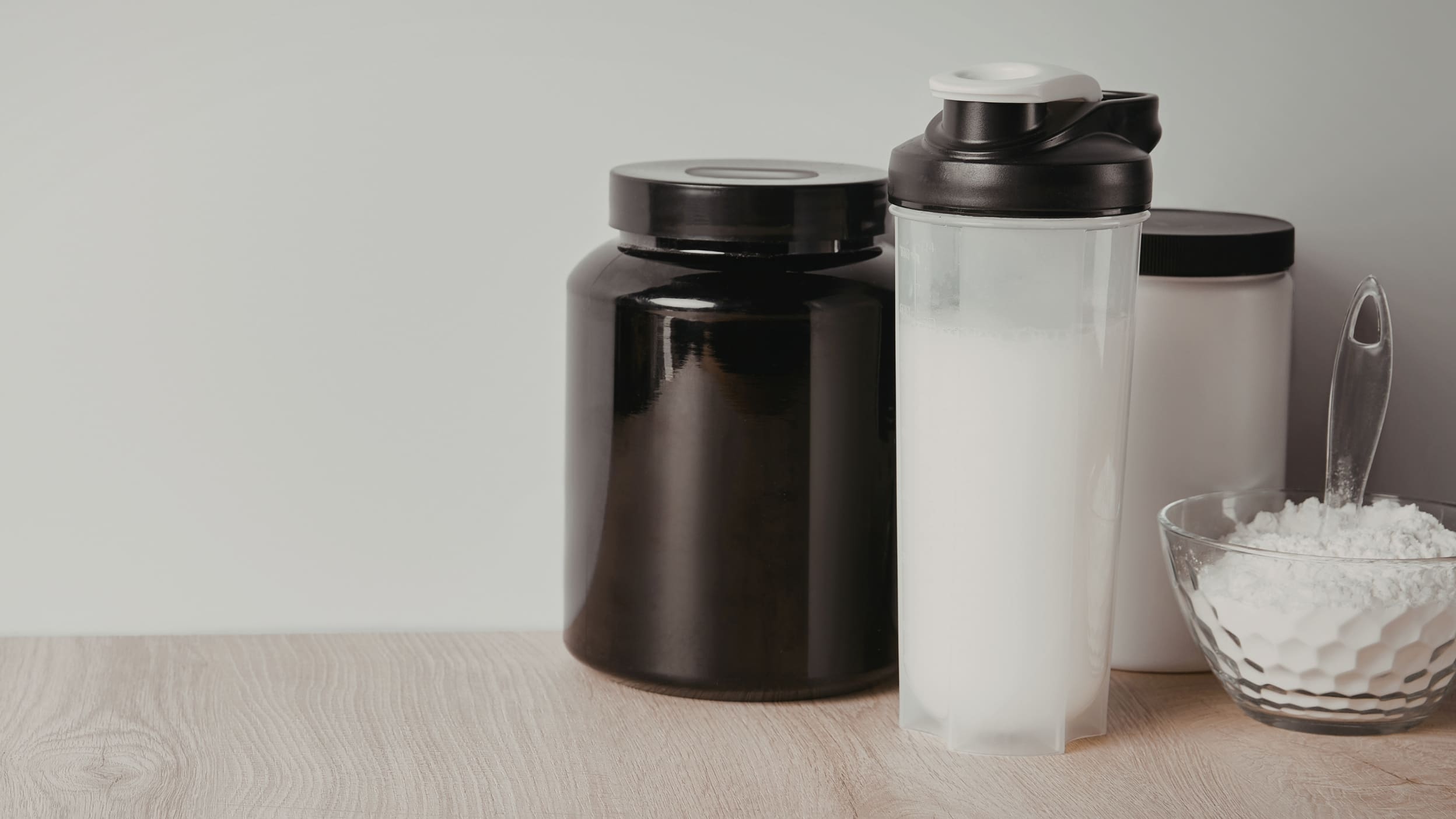
Protein is the cornerstone of muscle recovery. Even when I ate well, I rarely hit my target through food alone. That’s when protein powder became my go to. I rotate between whey isolate and a high quality plant blend, depending on how my digestion feels.
I usually have a shake after my workout or blend it with oats in the morning. Within weeks, I noticed fewer cravings, better muscle definition, and less soreness. It’s not just for gym goers; it’s essential fuel for recovery and daily energy.
Pro Tip: Always choose a powder with minimal additives or sweeteners. Your body will thank you.
2. Magnesium
If there’s one supplement every active woman should consider, it’s magnesium. I used to wake up at night with restless legs and sore muscles, but magnesium glycinate changed that completely.
It promotes relaxation, helps with sleep quality, and reduces cramps, especially in the luteal phase when progesterone rises. Taking it at night became part of my win down ritual, and my recovery improved noticeably.
Bonus: It also helps keep cortisol balanced, which is crucial if you’re prone to stress or overtraining.
3. Omega 3 Fatty Acids (Fish Oil or Algae Oil)
I underestimated omega 3s for years. When I finally added them consistently, my joints felt smoother, inflammation reduced, and even my mood improved.
Omega 3s are key for hormonal balance and overall heart health. If you’re training hard or doing HIIT, they can also speed up recovery and support endurance.
Tip: Look for supplements verified for purity and sustainability. Quality matters when it comes to oils.
4. Vitamin D3 + K2
Living in a cloudy climate taught me how crucial vitamin D really is. I used to feel tired in winter without realizing why. After testing my levels, I discovered I was deficient.
Adding D3 with K2 gave me more steady energy and improved my immune resilience. D supports muscle strength and mood, while K2 helps your body use calcium effectively, a must for bone health and hormone stability.
5. B Complex Vitamins
When I hit my mid20s, I noticed I was dragging through my afternoons despite sleeping enough. Adding a high quality B complex was a game changer.
B vitamins help convert food into fuel, support nervous system health, and regulate mood. They’re especially useful for women who juggle work, workouts, and life’s constant demands.
During the second half of my cycle, when progesterone makes me sluggish, I rely on this supplement to keep my motivation up.
6. Iron (When Needed)
Iron was one of the most impactful but overlooked nutrients for me. When I started feeling dizzy and fatigued after workouts, blood tests revealed low ferritin levels.
After adding a gentle iron glycinate supplement, my energy levels and workout performance improved significantly. However, iron is one of those nutrients where testing is essential. Too much can backfire.
Caution: Always confirm with a blood test before supplementing regularly.
7. Collagen Peptides
Collagen supports joint health, recovery, and skin elasticity, and I’ve personally felt the difference. I mix unflavored collagen into my morning coffee or smoothies.
After about six weeks, my knees felt less sore after squats, and my hair and nails looked stronger. It’s not a quick fix, but it supports the small details that make a big difference over time.
8. Creatine Monohydrate
I used to think creatine was only for bodybuilders until I tried it. Taking just 3–5 grams daily noticeably boosted my strength, endurance, and even my brain function.
It helps your muscles retain energy, supports lean mass, and improves power output. Contrary to popular belief, it doesn’t make women bulky; it just helps you feel stronger and more capable in your lifts.
Bonus: It’s also great for cognitive performance and recovery after intense training.
9. Adaptogens (Ashwagandha and Rhodiola)
Adaptogens became a lifesaver when I was balancing work, workouts, and stress. Ashwagandha helped me sleep better and stay calm, while Rhodiola improved my mental focus during long days.
I notice the biggest benefits in my luteal phase, when cortisol tends to rise and energy dips. These herbs help me stay grounded and resilient through hormonal shifts.
Note: They work best when used consistently over time, not as quick fixes.
10. Electrolytes
Hydration isn’t just about water. Electrolytes help maintain fluid balance, muscle contraction, and focus during long workouts.
When I started adding a sugar free electrolyte mix to my water, I noticed fewer headaches and less mi afternoon fatigue. They’re especially helpful during ovulation and luteal phases, when bloating and water retention can throw off hydration levels.
Pre Workout vs Post Workout: What Matters Most
I’ve experimented with countless pre and post workout formulas. What I’ve learned is that consistency and timing matter more than fancy ingredients.
Before training, I focus on hydration and light carbs like a banana or oatmeal. If I need a boost, I go for green tea or matcha instead of hig caffeine preworkouts that make me jittery.
After my workout, I always prioritize protein and electrolytes. Sometimes I’ll add collagen or magnesium later in the evening for recovery. Keeping it simple has always given me better results than chasing the latest “pump” product.
How Hormones Influence Supplement Needs
Hormones influence nearly everything about how we train and recover.
Understanding this connection changed my fitness completely.
- Follicular Phase: Energy is higher, and estrogen supports strength and stamina. I emphasize protein and creatine here.
- Ovulation: My power peaks, so I keep omeg 3s and electrolytes on hand for balance and recovery.
- Luteal Phase: I’m more prone to fatigue, so I increase magnesium, B6, and adaptogens.
- Menstrual Phase: Rest and iron are my priorities, along with hydration.
Once I began syncing supplements with my cycle, my energy felt steady instead of unpredictable.
Supplements I Regret Buying (And Why)
I’ve wasted money on flashy products that promised fast fat loss or “detox” benefits. Most of them did little more than spike my heart rate or dehydrate me.
What I learned is that marketing often outpaces science. Now, I look for clinical backing, third party testing, and clean formulations. If a product makes wild claims, I skip it.
The truth is, long term consistency beats short term gimmicks every time.
Simple Guidelines to Avoid Over Supplementing
- Test, don’t guess. Always check your levels before adding minerals or hormones.
- Start small. Introduce one supplement at a time so you can track changes accurately.
- Stay consistent. Most results show up after 4–6 weeks of steady use.
- Choose quality. Avoid cheap blends and look for transparent labels.
- Cycle smartly. Adjust your supplements to align with your training load and hormonal phases.
Common Myths About Female Fitness Supplements
- Myth 1: “If you eat well, you don’t need supplements.”
Even the best diets can fall short due to stress, hormones, or modern food quality. - Myth 2: “Creatine makes women bulky.”
Creatine supports muscle tone and strength without adding bulk. - Myth 3: “More supplements mean faster progress.”
Your body can only use so much. Balance always wins.
FAQs About Supplements That Are Worth It
Q1: Do I need to take supplements every day?
It depends on your goals and how demanding your training is. Some supplements, like magnesium and protein, work best with daily use, while others, like iron, depend on your needs.
Q2: Are supplements safe during every phase of my cycle?
Yes, but your body’s demands shift. For example, magnesium is extra helpful before your period, and omega 3s can reduce inflammation after ovulation.
Q3: Can supplements replace a healthy diet?
Never. Supplements are there to support you, not to replace whole foods, rest, or hydration.
Final Thoughts
Female fitness is about tuning in, not pushing harder at all costs. Supplements, when chosen thoughtfully, can fill the gaps that training and nutrition alone can’t always cover.
For me, they’ve become part of my rhythm, supporting strength, recovery, and hormone balance in a way that feels sustainable. The key is awareness. Listen to your body, choose quality, and build your foundation first.
At the end of the day, the best female fitness supplements are not the ones that promise miracles. They’re the ones that help you feel strong, steady, and in sync with yourself, inside and out.